AI prieš rankinį juvelyrikos retušavimą: kainos, greičio ir kokybės palyginimas
Ar AI juvelyrikos retušavimas yra geresnis nei samdyti laisvai samdomą darbuotoją? Lyginame kainą, greitį, kokybę ir mastelį.
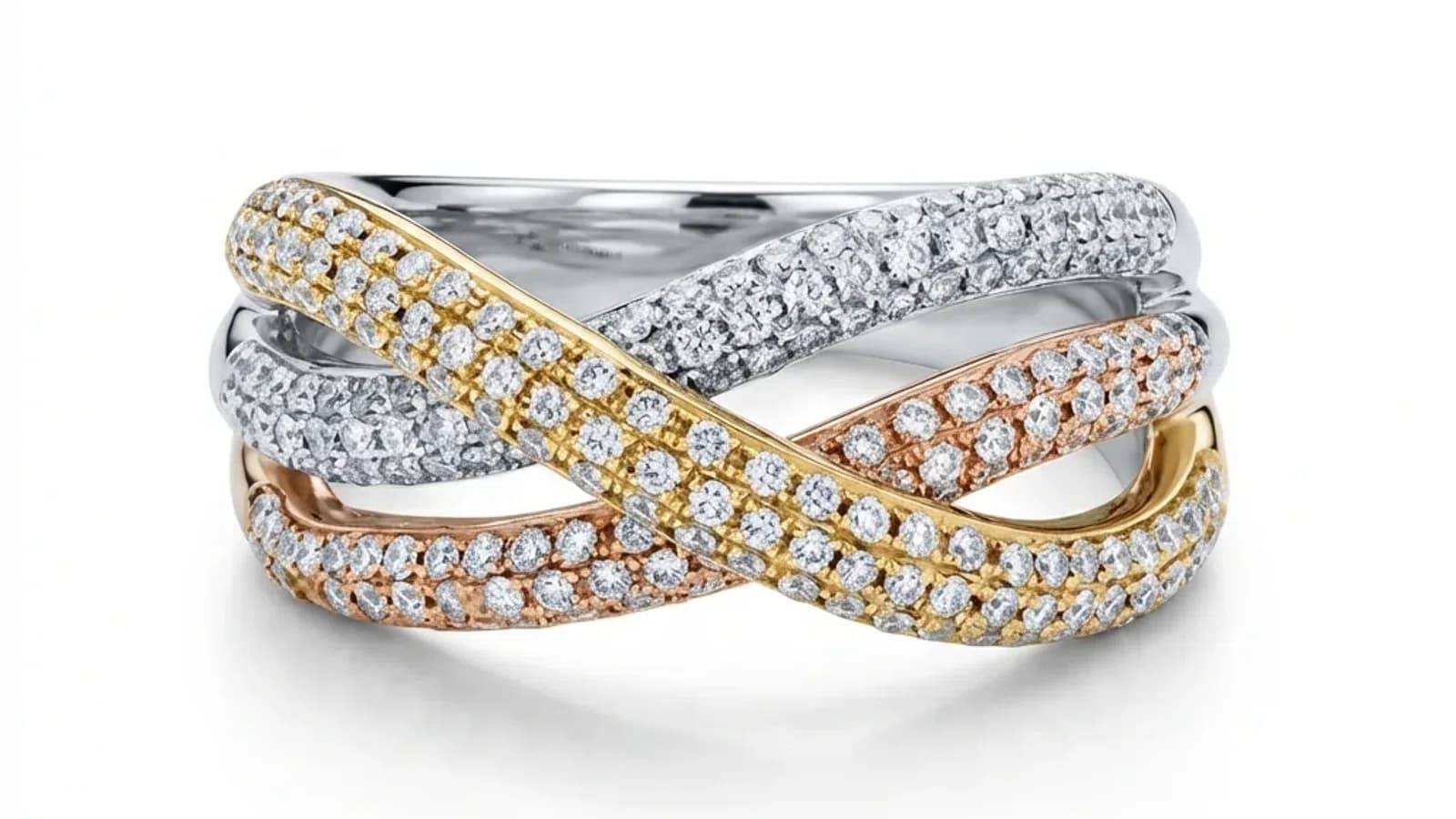
Vilkite, norėdami palyginti
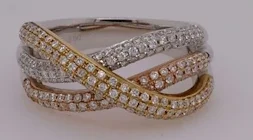
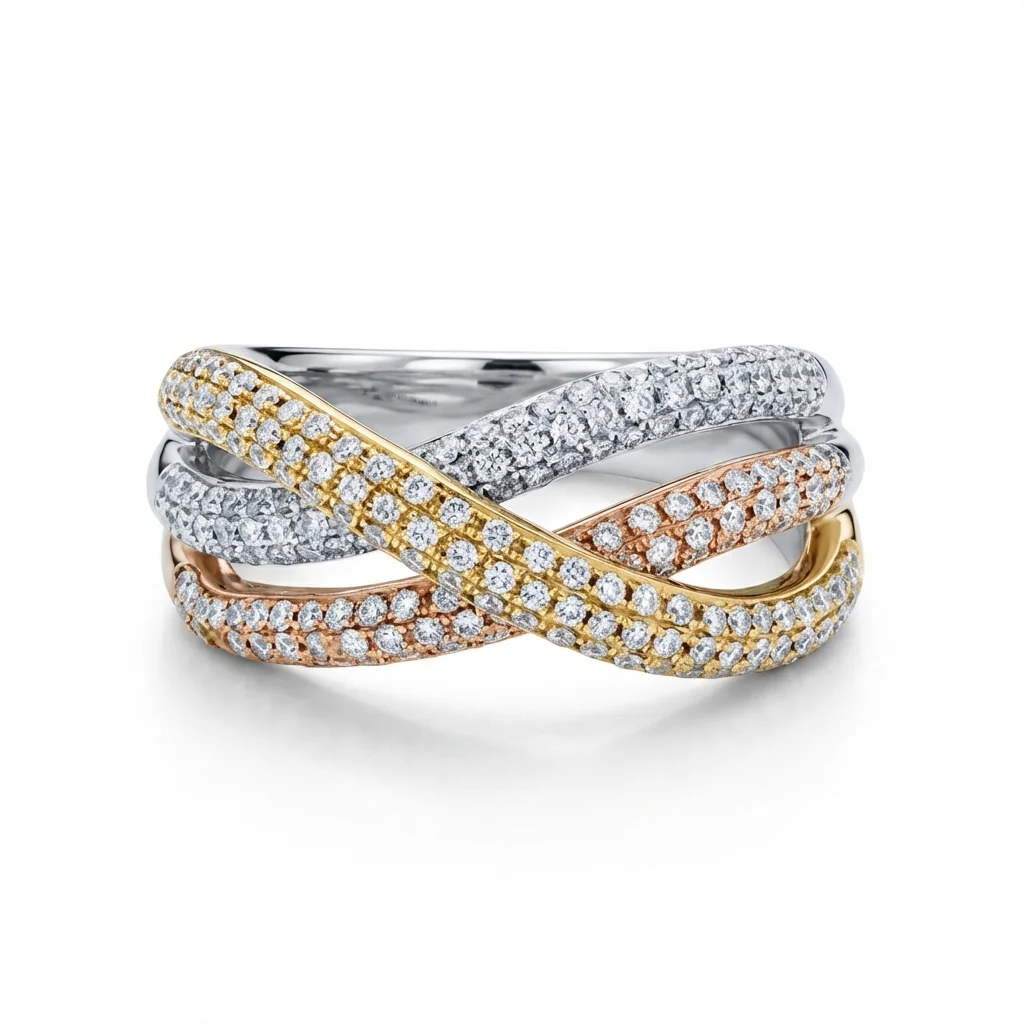
Peržiūrėti transformaciją
Viena retušuota papuošalo nuotrauka, keturi naudingi rezultatai.
- 01Kas yra juvelyrikos nuotraukų retušavimas?Juvelyrikos nuotraukų retušavimas paverčia neapdorotas produkto nuotraukas poliruotais, profesionaliais vaizdais e, prekybai. Tai apima fono šalinimą, dulkių valymą, metalo poliravimą, brangakmenių pagerinimą ir apšvietimo korekciją. Tradicinis rankinis redagavimas užima 30-60 minučių vienai nuotraukai, o AI automatizacija duoda palyginamus rezultatus per apie 60-90 sekundžių.
- 02Kiek kainuoja rankinis retušavimas?Tikroji kaina priklauso nuo apimties, sudėtingumo, peržiūros ir taisymų. AI, laisvai samdomus specialistus, studijas ir vidinį darbą lyginkite pagal patvirtintą tinkamą vaizdą, ne pagal reklaminę kainą.
- 03Kiek kainuoja AI retušavimas?Jewels Retouch naudoja kreditų paketus ir pirmiausia peržiūros principą: rezultatą peržiūrite prieš naudodami kreditus HD atsisiuntimui.
№ 01
Kas yra juvelyrikos nuotraukų retušavimas?
Juvelyrikos nuotraukų retušavimas paverčia neapdorotas produkto nuotraukas poliruotais, profesionaliais vaizdais internetinėms parduotuvėms, katalogams ir rinkodaros medžiagai. Procesas apima fono šalinimą, dulkių ir įbrėžimų valymą, metalo poliravimą, brangakmenių pagerinimą, spalvų korekciją ir apšvietimo reguliavimą.
AI retušavimas automatizuoja visą darbo eigą, sukurdamas palyginamus rezultatus per sekundes.
№ 02
Kiek kainuoja rankinis retušavimas?
Tikroji kaina priklauso nuo apimties, sudėtingumo, peržiūros ir taisymų. AI, laisvai samdomus specialistus, studijas ir vidinį darbą lyginkite pagal patvirtintą tinkamą vaizdą, ne pagal reklaminę kainą.
№ 03
Kiek kainuoja AI retušavimas?
Jewels Retouch naudoja kreditų paketus ir pirmiausia peržiūros principą: rezultatą peržiūrite prieš naudodami kreditus HD atsisiuntimui.
№ 04
Greitis: kiek laiko užima kiekvienas metodas?
AI naudokite pasikartojančioms katalogo nuotraukoms; rankinį ar hibridinį darbą rinkitės pažeistoms nuotraukoms, sudėtingai juvelyrikai, kampanijoms ir kūrybinei krypčiai.
№ 05
Kokybė: ar AI gali prilygti rankiniam redagavimui?
Standartinėms produkto nuotraukoms AI retušavimas dabar sukuria vizualiai neatskiriamus rezultatus nuo profesionalaus rankinio redagavimo.
Kur AI pranoksta:
- Fono šalinimas ir keitimas
- Nuoseklus apšvietimas
- Dulkių ir įbrėžimų šalinimas
- Metalo paviršių poliravimas
№ 06
Nuoseklumas: paslėptas AI pranašumas
Stiliaus nuoroda gali suderinti foną, šviesą, apkirpimą ir šešėlį visame kataloge, bet vis tiek reikia gerų pradinių nuotraukų ir žmogaus peržiūros.
№ 07
Ką turėtumėte pasirinkti?
AI naudokite pasikartojančioms katalogo nuotraukoms; rankinį ar hibridinį darbą rinkitės pažeistoms nuotraukoms, sudėtingai juvelyrikai, kampanijoms ir kūrybinei krypčiai.