Instagram vs picha za katalogi za vito — ipi inabadilisha juu ya jukwaa gani?
Picha za katalogi na picha za mfuatano wa mitindo ya Instagram hufanya kazi tofauti kabisa. Hii ni kwa upande-kwa-upande: wapi kila mmoja ashindi, athari ya kiwango cha badiliko, na jinsi ya kuchagua kwenye Etsy, Shopify, Reels, na Pinterest.
Imesasishwa 26 Mei 2026
Angalia Mabadiliko
Picha moja ya vito iliyoboreshwa, matokeo manne muhimu.
Urekebishaji wa katalogi ndio msingi: mandharinyuma safi, nyuso zilizong'arishwa, muundo uliohifadhiwa. Kutoka toleo hilo lisilo na watermark, unda mandhari za mtindo wa Instagram, picha za modeli za True-Scale Placement, na video za matangazo za sekunde 5–30.
Dondosha kulinganisha

Vifurushi vya mara moja vya upakuaji wa HD bila watermark, hakuna usajili
Hakuna usajili · Lipa tu kwa matokeo unayopenda · Salio halimaliziki kamwe · Hakuna kadi ya mkopo inayohitajika
Kulinganisha Kwa Upande Kwa Upande
Utendaji kwenye marketplace hutegemea picha pamoja na bei, maoni, usafirishaji, kichwa na mahitaji. Jaribu picha safi na pima mibofyo na maagizo kwa muda.
| Kipengele | Picha ya Katalogi | Mtindo wa Instagram |
|---|---|---|
| Nyuma | Nyeupe kabisa (RGB 255) au gradient ya kijivu cha mwanga | Kitambaa, marumaru, velveti, karatasi, maua-kitu chochote chenye muundo |
| Liwangu | Sawasawa, iliyotawanyika, neutral 5000-5500K | Joto, mwelekeo, iliyosimamiwa na hali (saa ya dhahabu, vivuli laini) |
| Jukwaa bora | Amazon, Etsy kuu, ukurasa wa bidhaa wa Shopify | Reels, Stories, Pinterest, ziarani za Instagram za brand |
| Ongezeko la ubadilisho | +30-50% kubofya kupitia kwenye orodha dhidi ya picha za kawaida | Je, ninaweza kujiona mimi au mteja wangu akiwa amevaa kipande hiki? |
| Gharama kwa picha | vifurushi vya kredi vya malipo ya mara moja vyenye hakiki za kwanza zilizojumuishwa (urekebishaji wa AI) au $25-$200 (studi) | vifurushi vya kredi vya malipo ya mara moja vyenye hakiki za kwanza zilizojumuishwa (mandhari ya AI) au $200-$2,000 (picha ya mtindo wa maisha) |
| Wakati wa uzalishaji | ~30 sekunde kwa AI | Kwa AI, kwa kawaida karibu sekunde 60-90 |
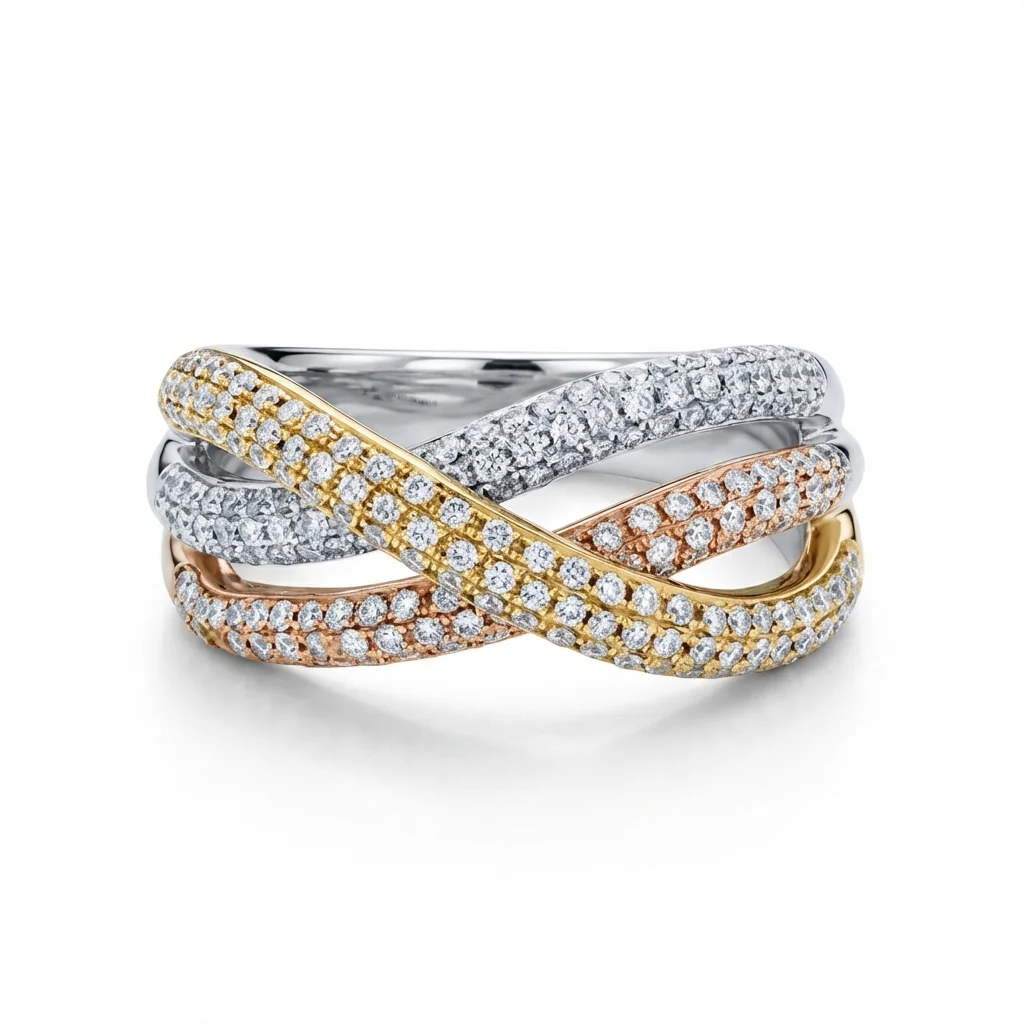
Picha ya juweli ya katalogi ni nini?
Kwa chaneli za kijamii, fuatilia hifadhi, mibofyo, muda wa kutazama, maoni ya bidhaa na maagizo kwa kila jukwaa badala ya kudhani ROI ya kudumu.
Picha ya vito ya mtindo wa Instagram ni nini?
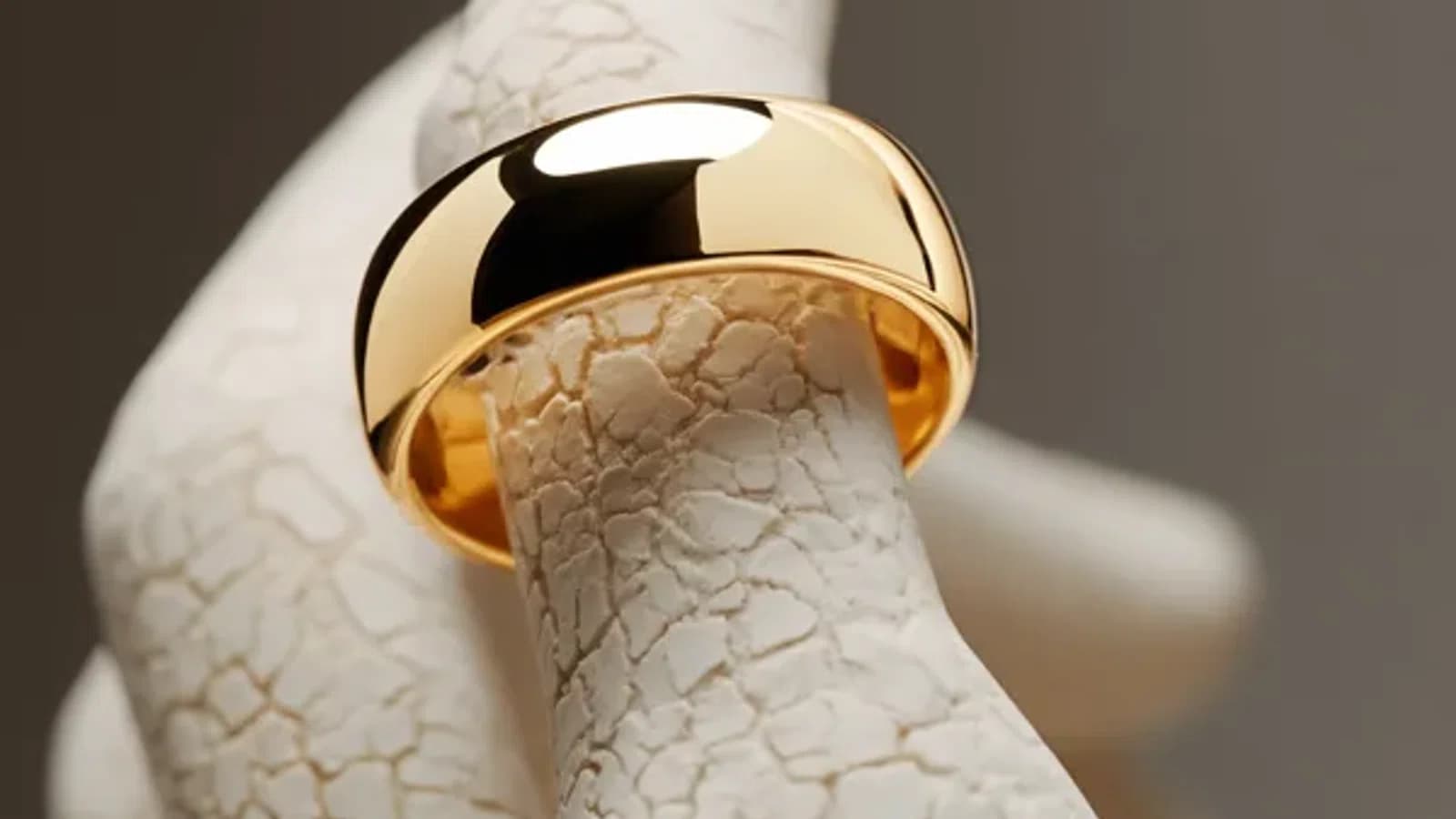
Sehemu ya mtindo wa Instagram ni picha iliyoandaliwa inayolekezwa kuishi katika zuio la kijamii. Mandhari nyuma ina muundo (kitani, maramu, saruji iliyosafishwa, velvet, karatasi). Vifaa vya kawaida (maua, chupa za manukato, ribbon, vifaa vya zamani, mikono). Mwanga umwelekeo na moto, saa ya dhahabu, mwanga laini kutoka dirisha, kivuli kinachokusudiwa. Mikusanyiko mara nyingi si sawa, sio katikati, au kanuni-ya-theluthi.
Kazi ni kujisikia, kuleta hisi ya wakati mgeni anakavaa kipande, si kuandika kipande. Picha inashinda wakati mwangalizi anasimama kutelemeza, kubofya chapisho, au kuokoa pin. Wazi wa soko inakuwa jambo la pili; algorithm na majibu ya hisi ya binadamu ni kuu.
Mtindo wa Instagram unafanya kazi vizuri kama picha ya pili katika orodha ya Etsy (baada ya katalogi ya msingi), kama jalada la video ya Reels, kama pin ya Pinterest (Pinterest inapendelea picha yenye muundo na yenye hadithi kuliko zile safi za katalogi), na kama ubunifu wa tangazo kwa Meta na TikTok.
Ipi inabadilisha nzuri zaidi katika jukwaa lipi?
Utendaji kwenye marketplace hutegemea picha pamoja na bei, maoni, usafirishaji, kichwa na mahitaji. Jaribu picha safi na pima mibofyo na maagizo kwa muda.
Utendaji kwenye marketplace hutegemea picha pamoja na bei, maoni, usafirishaji, kichwa na mahitaji. Jaribu picha safi na pima mibofyo na maagizo kwa muda.
Jinsi ya kutengeneza zote mbili ukitumia picha moja ya asili
Zana za kurekebisha kwa AI zinazoshughulikia mitindo yote miwili hukuruhusu kuanza kutoka kwa picha moja ya chanzo na kuibandika katika matokeo yote mawili. Na Jewels Retouch, unapakia picha moja tu ya bidhaa (picha safi ya simu kwenye nyeupe inatosha) na kuchagua:
Hali ya Katalogi. AI husafisha usuli hadi RGB 255, kurekebisha mwanga sawasawa, kuondoa uchafu na alama, na kuzalisha picha kuu ya orodheshi inayokubali sokoni.
Hali ya Instagram. AI huzalisha mandhari ya mitindo karibu na bidhaa hiyo hiyo. Unachagua aina ya usuli (kitambaa, marumaru, velvet, maua, nk.) na kila kiasi hubandika bidhaa katika mandhari hio na mwanga na kivuli vinavyofaa.
Matokeo ya ufanisi ni kwamba picha moja ya SKU ya chanzo inakuwa kizazi cha kila mali ya baadaye. Etsy yako kuu, Reels cover yako, Pinterest pin yako, Meta ad creative yako, zote zinaambatana kwa sababu zilikuja kutoka kwa kizazi moja. Kuambatana hii ni kile kinachobadilisha duka la hobi kuwa brand inayojulikana.
Wakati wa kumtumia kila mmoja
Tumia picha za katalogi wakati…
Unachaji picha ya orodha ya msingi kwa Etsy, Amazon, Shopify, eBay, au soko lolote ambapo wateja wanalinganisha bidhaa. Unataka kuganda zaidi kutoka kurasa ya matokeo ya utaftaji. Unahitaji umoja wa picha kwa SKU mia kadhaa katika katalogu cha chapa. Unatuma picha zilizokaguliwa kwa mujibu wa kanuni kwa soko lenye mahitaji makali ya asilifu nyeupe (Amazon).
Tumia picha za mtindo wa Instagram wakati…
Unachapisha kwa chapa Instagram, Reels, Pinterest, au TikTok. Unafanya matangazo ya kijamii yenye ada ambapo matangazo inasaini kwa tahadhari katika mlolongo. Unatengeneza picha ya pili au ya tatu katika orodha ya Etsy ambapo unataka kuweka mtazamo. Unatengeneza vifuniko vya video vya Reels. Unawasiliana na wanunuzi wa jumla au vyombo vya habari yenye kitambulisho cha chapa badala ya ukamilifu wa katalogu.
Maswali yanayoulizwa mara kwa mara
Anza