विवाह ब्रांड्स के लिए AI ज्वेलरी रिटचिंग: 2026 गाइड
विवाह आभूषण खरीदार शोध पर 10x अधिक समय बिताते हैं। जानें कि AI रिटचिंग ब्राइडल ज्वेलरी ब्रांड्स को प्रीमियम कीमतों को उचित ठहराने वाली फोटोग्राफी बनाने में कैसे मदद करती है।
और पढ़ें
विवाह आभूषण फोटोग्राफी को एक अलग दृष्टिकोण की आवश्यकता क्यों है?
विवाह आभूषण खरीदार ज्वेलरी श्रेणी में सबसे अधिक शोध-गहन खरीदार होते हैं. वे खरीदारी करने से पहले विकल्पों का मूल्यांकन करने में सप्ताह या महीने बिताते हैं, और आपकी फोटोग्राफी या तो आपकी कीमत को उचित ठहराती है या उसे कमज़ोर करती है। AI रिटचिंग विवाह आभूषण ब्रांड्स को बार-बार पेशेवर फोटो शूट की लागत के बिना लग्ज़री-स्तरीय छवि गुणवत्ता तक पहुँच प्रदान करती है। परिणाम ऐसी फोटोग्राफी है जो प्रीमियम मूल्य बिंदुओं पर उच्च-विचार खरीदारों को परिवर्तित करने के लिए आवश्यक विश्वास और भावनात्मक अनुनाद बनाती है।
- 01विवाह आभूषण फोटोग्राफी को एक अलग दृष्टिकोण की आवश्यकता क्यों है?विवाह आभूषण उच्चतम भावनात्मक दांव और ज्वेलरी श्रेणी के उच्चतम मूल्य बिंदुओं के चौराहे पर बैठता है। खरीदार एक ऐसा निर्णय ले रहे हैं जो वे स्थायी मानते हैं, अक्सर किसी एकल वस्तु पर पहले से कहीं अधिक खर्च करते हैं, और वे इसे मोटे तौर पर इस आधार पर कर रहे हैं कि आपकी तस्वीरें उन्हें कैसा महसूस कराती हैं। मानक उत्पाद फोटोग्राफी उस स्तर की जांच के लिए डिज़ाइन नहीं की गई है।
- 02ब्राइडल ज्वेलरी के लिए हीरे और रत्न फोटोग्राफी को अनूठी रूप से चुनौतीपूर्ण क्या बनाता है?ब्राइडल टुकड़ों के लिए हीरे और रत्न फोटोग्राफी तकनीकी रूप से मांग करने वाली है क्योंकि पत्थरों की ऑप्टिकल जटिलता. जिस तरह से वे प्रकाश को परावर्तित, अपवर्तित और बिखेरते हैं. ऐसी इमेजिंग चुनौतियाँ पैदा करती है जिन्हें अधिकांश प्रकाश व्यवस्था बिना पोस्ट-प्रोसेसिंग के संभाल नहीं सकती। कैमरा या तो चमक देखता है या सेटिंग, शायद ही कभी दोनों को समान स्पष्टता के साथ।
- 03एंगेजमेंट रिंग की फोटोग्राफी कैसे करें ताकि वह चमक कैद हो जो बिकती है?एंगेजमेंट रिंग फोटोग्राफी जो वास्तविक चमक कैद करती है, उसमें स्किंटिलेशन उत्पन्न करने के लिए पॉइंट-सोर्स प्रकाश व्यवस्था, एक साफ तटस्थ पृष्ठभूमि, पत्थर की फेस-अप उपस्थिति को उजागर करने वाले सुसंगत कैमरा कोण, और चमकीले पत्थर तथा गहरे सेटिंग मेटल के बीच एक्सपोज़र को संतुलित करने के लिए पोस्ट-प्रोसेसिंग का संयोजन आवश्यक है।
विवाह आभूषण फोटोग्राफी को एक अलग दृष्टिकोण की आवश्यकता क्यों है?
विवाह आभूषण उच्चतम भावनात्मक दांव और ज्वेलरी श्रेणी के उच्चतम मूल्य बिंदुओं के चौराहे पर बैठता है। खरीदार एक ऐसा निर्णय ले रहे हैं जो वे स्थायी मानते हैं, अक्सर किसी एकल वस्तु पर पहले से कहीं अधिक खर्च करते हैं, और वे इसे मोटे तौर पर इस आधार पर कर रहे हैं कि आपकी तस्वीरें उन्हें कैसा महसूस कराती हैं। मानक उत्पाद फोटोग्राफी उस स्तर की जांच के लिए डिज़ाइन नहीं की गई है।
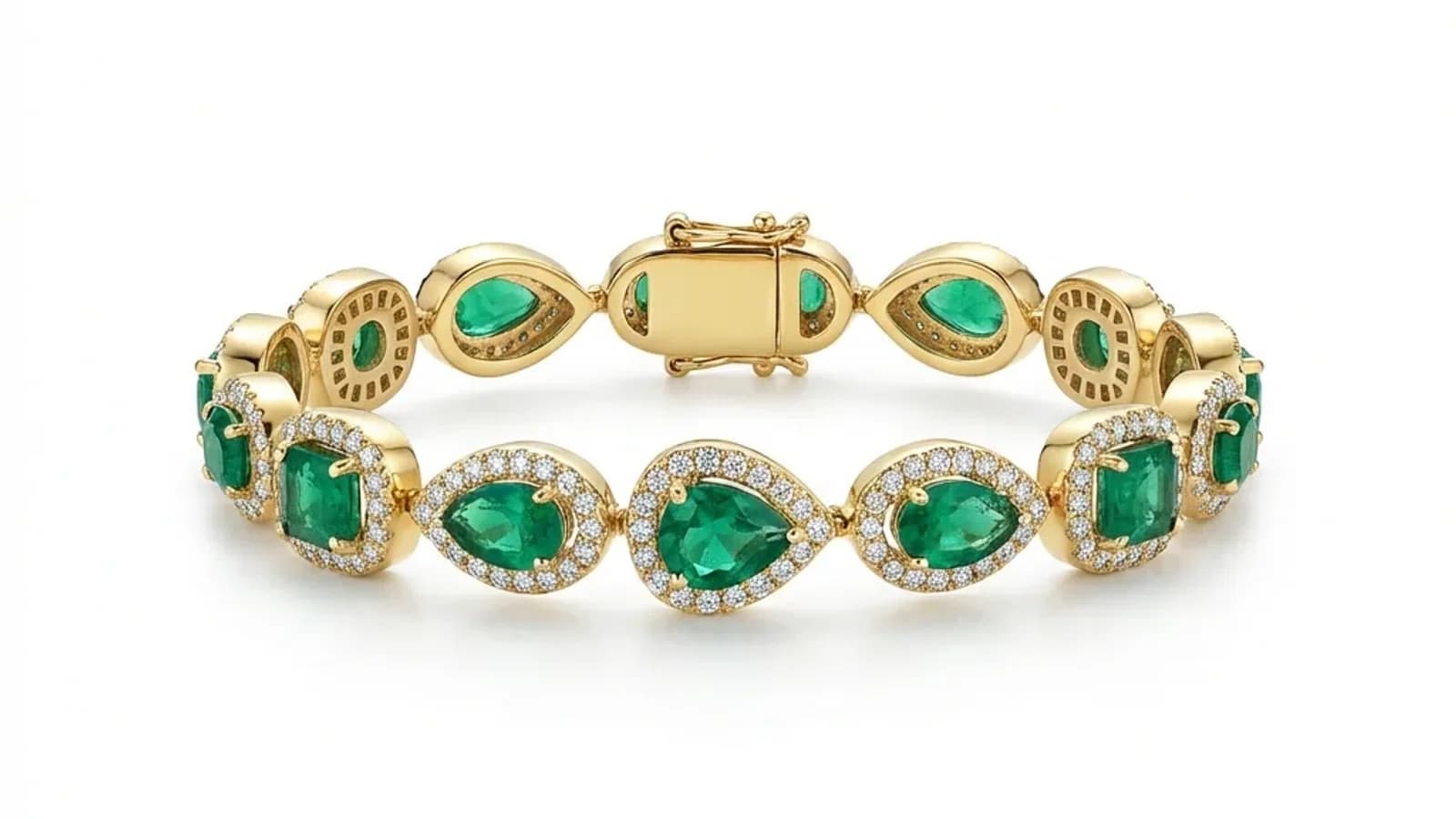
विवाह के आभूषण खरीदने वाले ग्राहक अपॉइंटमेंट बुक करने या खरीदारी करने से पहले डिज़ाइनों की सावधानी से तुलना कर सकते हैं। इसलिए उपयोगी चित्र-समूह में वास्तविक आभूषण स्पष्ट दिखना चाहिए: उसका समग्र आकार, साइड प्रोफ़ाइल, सेटिंग की ऊँचाई, प्रॉन्ग, बैंड, जहाँ लागू हो वहाँ क्लैस्प, सत्यापित रंग और पहनने पर उसका पैमाना।
अधिक मूल्य वाले या अपनी तरह के एकमात्र आभूषणों के लिए नियंत्रित फ़ोटोग्राफ़ी, कई कोणों और मानवीय रीटचिंग या आर्ट डायरेक्शन की आवश्यकता अक्सर उचित होती है। एक असंपादित स्रोत और सत्यापित उत्पाद अभिलेख सुरक्षित रखें और प्रकाशित होने वाले हर चित्र की तुलना वास्तविक आभूषण से करें। यदि चमक, धुंधलापन, ओवरलैप या क्रॉपिंग निर्माण के किसी महत्वपूर्ण हिस्से को छिपाती है, तो जनरेटिव मॉडल से उसे गढ़ने के लिए कहने के बजाय दूसरी तस्वीर लें।
प्रस्तुति के मानक ब्रांड, श्रेणी, दर्शक और बिक्री चैनल के अनुसार अलग-अलग होते हैं। किसी दूसरे आभूषण ब्रांड की नकल करने या उसका नाम लेने के बजाय अपने स्वीकृत नमूनों के आधार पर दृश्य मानक बनाएँ। उपयुक्त स्रोतों से एकरूप पृष्ठभूमि और प्रस्तुति तय करने में AI मदद कर सकता है, लेकिन वह सामग्री, ग्रेड, आयाम या मूल्य को सत्यापित नहीं करता, और हर परिणाम को फिर भी मंज़ूरी देनी होती है।
ब्राइडल ज्वेलरी के लिए हीरे और रत्न फोटोग्राफी को अनूठी रूप से चुनौतीपूर्ण क्या बनाता है?
ब्राइडल टुकड़ों के लिए हीरे और रत्न फोटोग्राफी तकनीकी रूप से मांग करने वाली है क्योंकि पत्थरों की ऑप्टिकल जटिलता. जिस तरह से वे प्रकाश को परावर्तित, अपवर्तित और बिखेरते हैं. ऐसी इमेजिंग चुनौतियाँ पैदा करती है जिन्हें अधिकांश प्रकाश व्यवस्था बिना पोस्ट-प्रोसेसिंग के संभाल नहीं सकती। कैमरा या तो चमक देखता है या सेटिंग, शायद ही कभी दोनों को समान स्पष्टता के साथ।
जिसने भी स्मार्टफोन से. या यहाँ तक कि विशेष प्रकाश व्यवस्था के बिना पेशेवर कैमरे से. हीरे की फोटो खींचने की कोशिश की है, वह मूल समस्या को तुरंत समझ जाता है: पत्थर या तो कमरे को परावर्तित करने वाले एक छोटे, चमकदार दर्पण जैसा दिखता है, या यह सपाट और बेजान दिखता है जिसमें इसकी कोई ऑप्टिकल विशेषता दिखाई नहीं देती। पेशेवर हीरे की फोटोग्राफी ठीक इसी कारण से एक विशेषज्ञ अनुशासन है।
हीरे की फोटोग्राफी का भौतिकी हीरे का अपवर्तनांक 2.42 है, जिसका अर्थ है कि पत्थर में प्रवेश करने वाला प्रकाश नाटकीय रूप से मुड़ता है, आंतरिक फलक सतहों के बीच उछलता है, और अप्रत्याशित दिशाओं में बाहर निकलता है। यही वह दृश्य प्रभाव बनाता है जिस पर खरीदार प्रतिक्रिया करते हैं. स्किंटिलेशन, फायर, ब्रिलियेंस। लेकिन इसका मतलब यह भी है कि शूटिंग वातावरण में कोई भी प्रकाश स्रोत पत्थर पर या उसके अंदर कहीं एक चमकीले परावर्तन के रूप में दिखाई देगा, और वे परावर्तन पत्थर के वास्तविक चरित्र को छुपा सकते हैं।
मानक पेशेवर समाधान एक लाइट टेंट या डिफ्यूज़न डोम है जो बिना हार्ड पॉइंट-सोर्स परावर्तनों के समान, सर्वदिशात्मक प्रकाश व्यवस्था बनाता है। लेकिन उचित उपकरण के साथ भी, हीरे की फोटोग्राफी से रॉ इमेज में आमतौर पर महत्वपूर्ण पोस्ट-प्रोसेसिंग की आवश्यकता होती है: अवांछित परावर्तनों को हटाना, आंतरिक प्रकाश खेल को संतुलित करना, पत्थर के रंग तापमान को उसके ग्रेड को सटीक रूप से दर्शाने के लिए समायोजित करना, और यह सुनिश्चित करना कि सेटिंग मेटल (व्हाइट गोल्ड, येलो गोल्ड, प्लैटिनम, रोज़ गोल्ड) सटीक रूप से रेंडर हो।
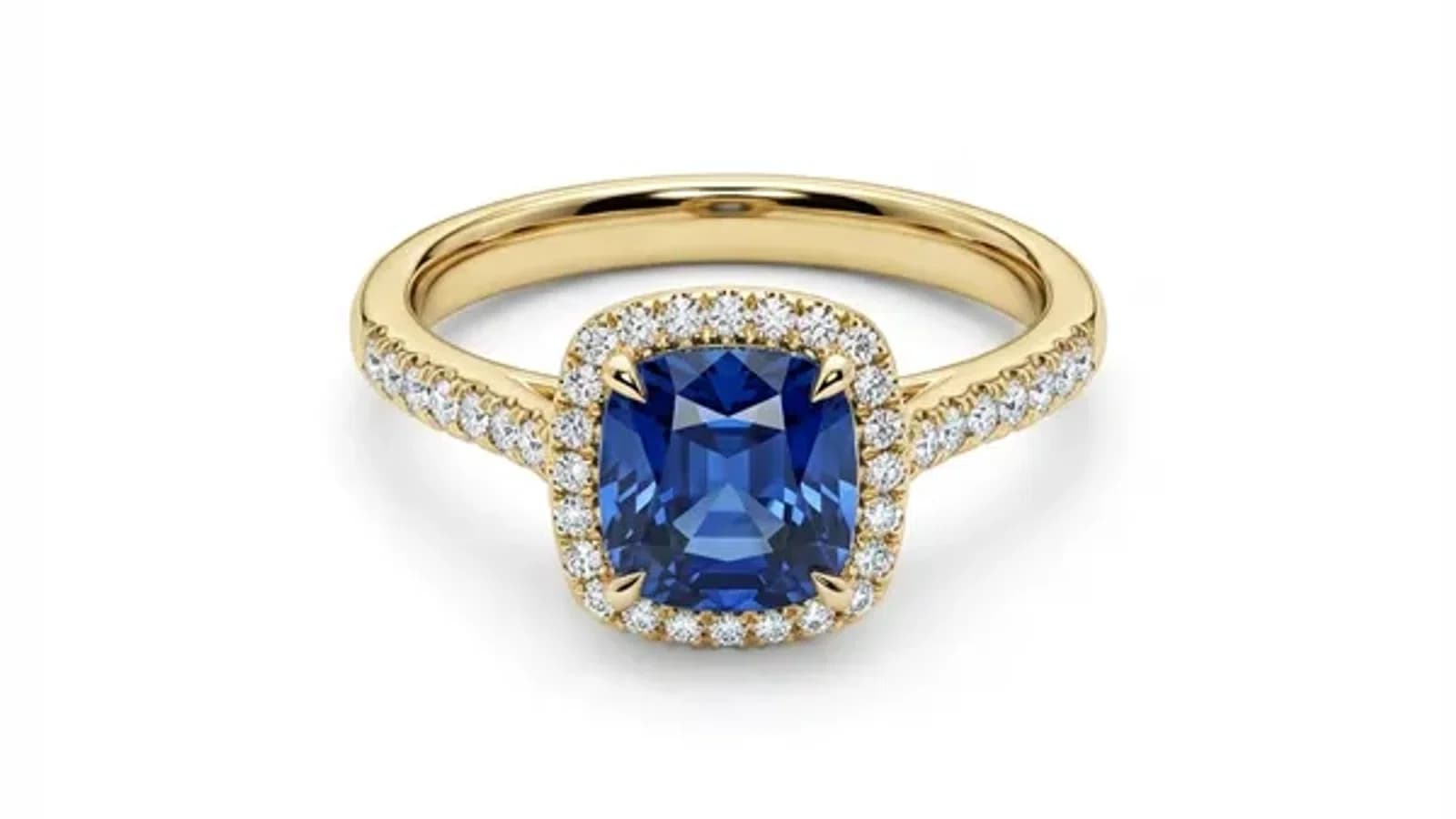
ब्राइडल सेटिंग्स के लिए रंगीन रत्न नीलम, माणिक, पन्ना, और मॉर्गनाइट एंगेजमेंट रिंग ब्राइडल श्रेणी में तेज़ी से लोकप्रिय हो गई हैं, और ये पत्थर अपनी फोटोग्राफी चुनौतियाँ पैदा करते हैं। रंगीन पत्थर सफेद संतुलन के प्रति असाधारण रूप से संवेदनशील होते हैं. एक नीला नीलम प्रकाश तापमान के आधार पर बैंगनी से लेकर टील तक कहीं भी फोटो खिंचवा सकता है। AI रिटचिंग शूट के बाद इन रंग सटीकता मुद्दों को सही करती है, यह सुनिश्चित करती है कि आपका नीलम ठीक वैसा दिखे जैसा वह व्यक्तिगत रूप से दिखता है, न कि किसी ऐसी रेंडरिंग के रूप में जो आपके प्रकाश स्रोत के आधार पर आकारित हो।
सेटिंग मेटल इंटरैक्शन पत्थर और मेटल के बीच की परस्पर क्रिया अतिरिक्त जटिलता पैदा करती है। प्रॉन्ग सेटिंग आसपास के मेटल से पत्थर में रंग परावर्तित करती हैं, और इसके विपरीत भी। रोज़ गोल्ड में सेट एक हीरा अक्सर गर्म टोन वाला दिखाई देगा जो पत्थर में निहित नहीं है। इन इंटरैक्शन को प्रत्येक तत्व को सटीक और आकर्षक ढंग से प्रस्तुत करने के लिए पोस्ट-प्रोसेसिंग में प्रबंधित करने की आवश्यकता है।
एंगेजमेंट रिंग की फोटोग्राफी कैसे करें ताकि वह चमक कैद हो जो बिकती है?
एंगेजमेंट रिंग फोटोग्राफी जो वास्तविक चमक कैद करती है, उसमें स्किंटिलेशन उत्पन्न करने के लिए पॉइंट-सोर्स प्रकाश व्यवस्था, एक साफ तटस्थ पृष्ठभूमि, पत्थर की फेस-अप उपस्थिति को उजागर करने वाले सुसंगत कैमरा कोण, और चमकीले पत्थर तथा गहरे सेटिंग मेटल के बीच एक्सपोज़र को संतुलित करने के लिए पोस्ट-प्रोसेसिंग का संयोजन आवश्यक है।
एंगेजमेंट रिंग विवाह आभूषण श्रेणी का केंद्रबिंदु हैं, और फोटोग्राफी का वह मानक जो ब्राउज़र को खरीदारों में परिवर्तित करता है, वह मांग करने वाला है। यहाँ बताया गया है कि पेशेवर एंगेजमेंट रिंग फोटोग्राफी कैसे संरचित है:
प्रकाश व्यवस्था जो चमक उत्पन्न करती है सहज ज्ञान के विपरीत, एक हीरे की चमक को कैद करने के लिए आपकी प्रकाश व्यवस्था में कुछ दिशात्मकता जोड़ने की आवश्यकता है. न कि केवल डिफ्यूज़ सर्वदिशात्मक प्रकाश। एक डिफ्यूज़न डोम परावर्तनों को समाप्त करता है लेकिन स्किंटिलेशन को भी नष्ट कर देता है। पेशेवर समाधान यह है कि एक प्राथमिक डिफ्यूज़ प्रकाश स्रोत का उपयोग करके सेटिंग और पृष्ठभूमि को समान रूप से प्रकाशित किया जाए, साथ ही एक छोटे द्वितीयक पॉइंट सोर्स (फाइबर ऑप्टिक लाइट या ग्रिडेड स्ट्रोब) को हीरे के टेबल फलक पर लक्षित किया जाए। यह पत्थर के अंदर एक एकल नियंत्रित परावर्तन बनाता है जो नकल करता है कि प्राकृतिक प्रकाश में हीरा कैसे दिखता है. एक या दो चमकीले फ्लेयर पॉइंट उत्पन्न करता है जो खरीदार को ऑप्टिकल गुणवत्ता का संकेत देते हैं।
आवश्यक एंगेजमेंट रिंग कोण प्रत्येक एंगेजमेंट रिंग लिस्टिंग में न्यूनतम चार कोण चाहिए: 1. फेस-अप टॉप-डाउन: पत्थर का खरीदार का प्राथमिक दृश्य, कट गुणवत्ता और फैलाव दिखाता है 2. साइड प्रोफाइल: सेटिंग ऊंचाई, प्रॉन्ग स्टाइल, और बैंड प्रोफाइल दिखाता है. पहनने योग्यता के लिए महत्वपूर्ण जानकारी 3. थ्री-क्वार्टर कोण: सबसे आकर्षक व्यापक दृश्य जो पत्थर और सेटिंग दोनों को एक साथ दिखाता है 4. विवरण/मैक्रो: पत्थर और सेटिंग का अत्यधिक क्लोज़-अप, शिल्प कौशल की गुणवत्ता दिखाता है
हेलो सेटिंग, पेव बैंड, या थ्री-स्टोन रिंग के लिए, उन विशिष्ट विशेषताओं को दिखाने वाले अतिरिक्त कोण आवश्यक हैं। खरीदार इस ज़ूम स्तर पर निर्णय ले रहे हैं।
एंगेजमेंट रिंग इमेज के लिए पोस्ट-प्रोसेसिंग रॉ एंगेजमेंट रिंग फोटो और अंतिम उत्पाद-तैयार छवि के बीच का अंतर लगभग किसी भी अन्य ज्वेलरी श्रेणी की तुलना में बड़ा है। AI रिटचिंग में विशिष्ट समायोजन में शामिल हैं: पृष्ठभूमि प्रतिस्थापन या सफाई, पत्थर और मेटल पर फिंगरप्रिंट और माइक्रो-डस्ट को हटाना, हीरे के ओवरएक्सपोज़ड क्षेत्रों में हाइलाइट रिकवरी, सेटिंग में विवरण दिखाने के लिए शैडो लिफ्टिंग, और मेटल टोन तथा पत्थर के रंग ग्रेड दोनों को सटीक रूप से रेंडर करने के लिए रंग सुधार।
इस वर्कफ़्लो का परिणाम. नियंत्रित प्रकाश व्यवस्था और AI पोस्ट-प्रोसेसिंग. ऐसी छवियाँ हैं जो रिंग को वैसा दिखाती हैं जैसा खरीदार आदर्श देखने की परिस्थितियों में देखेगा, जो परिवर्तन का कारण बनता है।
ब्राइडल सेट और मैचिंग टुकड़ों में विज़ुअल स्थिरता कैसे बनाए रखें?
ब्राइडल सेट फोटोग्राफी स्थिरता के लिए समान पृष्ठभूमि रंग, समान प्रकाश अनुपात, मिलान फसल और संरचना, और सेट में प्रत्येक टुकड़े में सुसंगत मेटल रंग रेंडरिंग की आवश्यकता होती है। जब खरीदार एंगेजमेंट रिंग और वेडिंग बैंड को एक साथ देखते हैं, तो टुकड़ों की फोटोग्राफी में कोई भी असंगति विवरण पर ध्यान की कमी का सुझाव देती है जो प्रीमियम स्थिति को कमज़ोर करती है।
ब्राइडल सेट. एक एंगेजमेंट रिंग और एक मैचिंग वेडिंग बैंड का संयोजन, अक्सर एक साथ या अलग से बेचा जाता है. स्थिरता के आसपास विशिष्ट फोटोग्राफी चुनौतियाँ प्रस्तुत करते हैं जो स्टैंडअलोन टुकड़ों के लिए मौजूद नहीं हैं।
सेट के लिए स्थिरता अधिक क्यों मायने रखती है ब्राइडल सेट खरीदने वाले खरीदार सचेत रूप से मूल्यांकन कर रहे हैं कि टुकड़े एक साथ कैसे दिखते हैं। यदि एंगेजमेंट रिंग गर्म सफेद पृष्ठभूमि पर फोटो खींची जाती है और मैचिंग बैंड ठंडे सफेद पृष्ठभूमि पर फोटो खींची जाती है, तो दोनों टुकड़े आपकी दुकान में एक साथ देखने पर अलग-अलग संग्रहों से लगेंगे। इसी तरह, यदि आपकी एंगेजमेंट रिंग में येलो गोल्ड गर्म शहद-सोने के रूप में फोटो खींचता है लेकिन आपके बैंड में वही मेटल अलग शूटिंग सत्र के कारण पीतल-सोने के रूप में फोटो खींचता है, तो खरीदार सवाल करेंगे कि क्या टुकड़े वास्तव में मेल खाते हैं।
ब्राइडल सेट के लिए स्थिरता चेकलिस्ट
- पृष्ठभूमि: समान hex मान, केवल दृष्टिगत रूप से समान नहीं
- कैमरा ऊंचाई और कोण: दोनों टुकड़ों के लिए रिंग शैंक के सापेक्ष समान कोण
- फोकल लंबाई: समान. अलग-अलग फोकल लंबाई का उपयोग बैंड और पत्थर के स्पष्ट अनुपात को बदल देता है
- मेटल रंग: कैलिब्रेटेड मॉनिटर पर दोनों छवियों को एक साथ समीक्षा करें और सटीक मिलान के लिए समायोजित करें
- छवि आयाम और फसल: समान कैनवास आकार और विषय स्थान
सेट स्थिरता के लिए AI रिटचिंग AI रिटचिंग ब्राइडल सेट के लिए विशेष रूप से मूल्यवान है क्योंकि यह पोस्ट-प्रोडक्शन में उपरोक्त सभी चरों को सामान्य कर सकती है। यहाँ तक कि यदि आपकी एंगेजमेंट रिंग और बैंड थोड़ी अलग प्रकाश व्यवस्था के साथ अलग-अलग सत्रों में फोटो खींचे गए थे, AI प्रोसेसिंग पृष्ठभूमि सफेद मूल्यों को संरेखण में ला सकती है, मेटल रंग को एक सुसंगत लक्ष्य पर सही कर सकती है, और ऐसी छवियाँ तैयार कर सकती है जो ऐसी दिखती हैं जैसे वे समान परिस्थितियों में शूट की गई हों। यह ब्राइडल ज्वेलरी ब्रांड्स के लिए Jewels Retouch जैसी सेवा का उपयोग करने के सबसे महत्वपूर्ण व्यावहारिक फायदों में से एक है. स्केल पर स्थिरता।
टुगेदर शॉट के लिए फोटोग्राफी प्रत्येक ब्राइडल सेट में कम से कम एक छवि भी चाहिए जो टुकड़ों को एक साथ पहना हुआ या फ्लैट ले पर एक साथ रखा हुआ दिखाती हो। यह कम्पोज़िट या सेट शॉट विशिष्ट खरीदार की ज़रूरत को पूरा करता है कि यह देखना कि पूरा ब्राइडल लुक हाथ पर कैसा दिखता है। इन शॉट्स के लिए अपने स्वयं के रिटचिंग विचारों की आवश्यकता होती है: दो टुकड़े दृश्य संतुलन में होने चाहिए, समग्र संरचना सामंजस्यपूर्ण महसूस होनी चाहिए, और छवि को एक पूर्ण सेट के विचार को व्यक्त करना चाहिए बजाय दो अलग-अलग रिंग एक दूसरे के पास रखी हुई।
AI रिटचिंग विवाह आभूषण को लग्ज़री ब्रांड गुणवत्ता तक कैसे ऊंचा उठाती है?
AI रिटचिंग तकनीकी रूप से पर्याप्त उत्पाद फोटोग्राफी को ऐसी छवि में बदलती है जो तीन विशिष्ट तंत्रों के माध्यम से लग्ज़री को संप्रेषित करती है: निर्दोष पृष्ठभूमि उन्मूलन, प्रकाश और चमक वृद्धि, और रंग सटीकता सुधार। साथ में, ये परिवर्तन विवाह आभूषण इमेजरी को एक ज्वेलरी शॉप की तरह दिखने से लग्ज़री ब्रांड की तरह दिखने की ओर ले जाते हैं।
लग्ज़री ब्रांड फोटोग्राफी केवल यह नहीं दिखाती कि वह क्या दिखाती है बल्कि यह भी कि वह क्या छोड़ती है। लग्ज़री छवियों में कोई विकर्षण नहीं, कोई अपूर्णता नहीं, कोई अस्पष्टता नहीं होती। फ्रेम में हर तत्व जानबूझकर होता है। AI रिटचिंग इस स्तर की क्यूरेशन को किसी भी विवाह आभूषण ब्रांड के लिए पूर्ण कैटलॉग के लिए आवश्यक उत्पादन मात्रा पर प्राप्त करने योग्य बनाती है।
पृष्ठभूमि की पूर्णता लग्ज़री ब्रांड फोटोग्राफी और मानक उत्पाद फोटोग्राफी के बीच सबसे तात्कालिक दृश्य अंतर पृष्ठभूमि गुणवत्ता है। लग्ज़री ज्वेलरी फोटोग्राफी शुद्ध, समान सफेद (या जानबूझकर चुनी गई वैकल्पिक पृष्ठभूमि) का उपयोग करती है जिसमें कोई ग्रेडिएंट, कोई बनावट भिन्नता, कोई छाया संदूषण नहीं होता। इसे इन-कैमरा प्राप्त करने के लिए महंगे उपकरण और एक नियंत्रित स्टूडियो वातावरण की आवश्यकता होती है। AI रिटचिंग पोस्ट-प्रोसेसिंग में उसी परिणाम को प्राप्त करती है. फोटो खींची गई पृष्ठभूमि को एक साफ, कैलिब्रेटेड सफेद से बदलकर जो आपके पूरे कैटलॉग में समान रूप से पढ़ता है।
उन विवाह आभूषण ब्रांड्स के लिए जो कुछ इमेजरी के लिए लाइफस्टाइल या बनावट वाली पृष्ठभूमि का उपयोग करते हैं, AI रिटचिंग उत्पाद को अलग कर सकती है और विषय से स्वतंत्र रूप से पृष्ठभूमि को बदल या परिष्कृत कर सकती है, मूल शूटिंग वातावरण के बावजूद सुसंगत उपचार की अनुमति देती है।
चमक और प्रकाश वृद्धि AI रिटचिंग हीरों और रत्नों की चमक गुणों को उन तरीकों से बढ़ा सकती है जो खरीदारों को उत्पाद को गलत तरीके से प्रस्तुत किए बिना समझ में आते हैं। पत्थर के भीतर प्रकाश खेल के कंट्रास्ट और संतृप्ति को बढ़ाना, फलक किनारों पर सूक्ष्म स्पेक्युलर हाइलाइट जोड़ना, या आंतरिक स्किंटिलेशन पॉइंट को उज्ज्वल करना सभी एक पत्थर को एक फोटो में अधिक जीवंत दिखाते हैं. और अच्छी परिवेश प्रकाश व्यवस्था के तहत व्यक्तिगत रूप से टुकड़े को देखने के अनुभव से अधिक निकटता से मेल खाते हैं।
यह वृद्धि एक हीरे के बीच का अंतर है जो एक फोटो में कांच के टुकड़े की तरह दिखता है और एक जो प्रीमियम पत्थर की तरह दिखता है जो वह है। यह मनगढ़ंत नहीं है. यह ऑप्टिकल घटनाओं की मानव आँख की धारणा के सापेक्ष कैमरा सेंसर की सीमाओं के लिए सुधार है।
रंग सटीकता और मेटल रेंडरिंग व्हाइट गोल्ड, प्लैटिनम, येलो गोल्ड, और रोज़ गोल्ड चार अलग-अलग सामग्री हैं जिन्हें खरीदार नाम से पहचानना और निर्दिष्ट करना सीखते हैं। यदि आपका व्हाइट गोल्ड थोड़े पीले रंग के साथ फोटो खींचता है, तो व्हाइट गोल्ड निर्दिष्ट करने वाले खरीदार सवाल करेंगे कि वे जो देख रहे हैं वह उन्हें मिलने वाले से मेल खाता है या नहीं। यदि आपका रोज़ गोल्ड ब्लश-पिंक के बजाय नारंगी रंग में फोटो खींचता है, तो यह फैशनेबल की बजाय सस्ता दिखेगा।
AI रिटचिंग मेटल रंग को सटीक लक्ष्य मूल्यों पर सही करती है, यह सुनिश्चित करती है कि आपके कैटलॉग में प्रत्येक मेटल प्रकार ठीक वैसा दिखे जैसा उसे दिखना चाहिए. जो खरीदार का विश्वास बनाता है और रंग बेमेल अपेक्षाओं के कारण होने वाले रिटर्न को कम करता है।
पेशेवर फोटोग्राफी विवाह आभूषण के लिए उच्च मूल्य बिंदुओं पर विश्वास कैसे बनाती है?
विवाह आभूषण मूल्य बिंदुओं ($2,000-$20,000+) पर, फोटोग्राफी ऑनलाइन खरीदारों के लिए उपलब्ध प्राथमिक विश्वास संकेत है क्योंकि वे उत्पाद को संभाल नहीं सकते। पेशेवर इमेजरी संप्रेषित करती है कि आपका ब्रांड गुणवत्ता में निवेश करता है, जिसे खरीदार गहने में ही गुणवत्ता के साक्ष्य के रूप में व्याख्यायित करते हैं।
महँगी खरीद में खरीदार ऐसा प्रमाण देख सकते हैं कि तस्वीर वाला गहना लिस्टिंग से मेल खाता है। साफ़ समग्र और विस्तृत दृश्य, सत्यापित आयाम तथा सामग्री, लागू होने पर ग्रेडिंग या उपचार की जानकारी, ईमानदार पहने हुए आकार का दृश्य और स्पष्ट नीतियाँ दें।
वास्तविक स्रोत छवियाँ रखें और जनरेटिव आउटपुट की उनसे तुलना करें। अंतर्गत निशान हटाने, हॉलमार्क बदलने, पत्थर का दिखाई देने वाला आकार बदलने, स्थिति छिपाने या सामग्री अथवा ग्रेड का गलत संकेत देने के लिए रीटचिंग इस्तेमाल न करें। छवि उदाहरणात्मक हो तो उसे लेबल करें और बिक्री को असली वस्तु की तस्वीरों से समर्थन दें।
केवल फ़ोटोग्राफ़ी गुणवत्ता सिद्ध नहीं करती और विश्वास, पूछताछ, अपॉइंटमेंट या बिक्री की गारंटी नहीं देती। कौन-से अतिरिक्त दृश्य या रिकॉर्ड चाहिए, यह तय करने के लिए अपने व्यवसाय में ग्राहक प्रश्न और रिटर्न के कारण देखें।