为什么AI编辑的珠宝照片看起来很假——“AI垃圾”问题及解决方法
大多数AI照片工具让珠宝看起来像塑料,宝石模糊、反射不自然。了解珠宝修图中“AI垃圾”产生的原因以及哪些工具能真正解决这个问题。
阅读更多
什么是“AI垃圾”,为什么珠宝照片会出现这种情况?
AI 可以帮助生成更干净、更一致的珠宝照片,但发布前仍需检查每个结果的金属颜色、宝石、边缘和比例。
- 01什么是“AI垃圾”,为什么珠宝照片会出现这种情况?AI垃圾是行业术语,指看起来明显虚假的AI编辑图像--过度光滑的纹理、不自然的光照和不一致的反射。珠宝会出现这种情况,因为通用AI模型是在数百万张通用产品照片(鞋子、服装、电子产品)上训练的,从未学习过金属、宝石和精细细节在光线下的真实表现。
- 02珠宝照片中最常见的五种AI伪影珠宝中最容易识别的五种AI伪影是:塑料感金属(过度平滑的反射)、死气沉沉的宝石(失去内部火彩和切面细节)、融化的精细细节(爪齿、链节、密钉边缘模糊在一起)、不一致的阴影(阴影与光照方向不匹配)以及色彩偏移(金色变成黄橙色、银色变成灰蓝色)。
- 03为什么通用AI工具无法解决这个问题通用AI工具无法解决AI垃圾问题,因为这是其训练数据和架构的根本限制。它们针对所有产品类别的广泛适用性进行优化,这意味着它们永远无法发展出对金属光学、宝石折射和珠宝特定细节保留的专业理解,而优质珠宝修图正需要这些。
№ 01
什么是“AI垃圾”,为什么珠宝照片会出现这种情况?
如果你曾经用AI编辑工具处理过珠宝照片,而金子出来看起来像黄色塑料,那你就体验过AI垃圾了。这个术语已经在产品摄影师和电商卖家中普遍使用,用来描述乍看上去很精美但经不起任何仔细审视的AI输出。
根本原因是训练数据。通用产品照片编辑器、轻量产品照片应用和通用 AI 产品照片工具等通用AI照片编辑器是在包含数百万张各类产品图片的海量数据集上训练的--鞋子、电子产品、服装、化妆品、食品、家具。珠宝只占训练数据的极小部分。AI学会了以通用方式使产品看起来干净和专业,但它永远无法深入理解特定材料的行为方式。
抛光的金子不仅仅是黄色的表面。它是一面镜子,反射着整个周围环境。钻石不是一个白点--它在内部折射光线,产生火彩、亮度和闪烁。精致的链条不是一条光滑的曲线--它是数百个单独的链节,每个都在不同角度捕捉光线。通用AI不理解这些。它对珠宝施加的平滑、增强和背景处理与对运动鞋或咖啡杯使用的完全相同。
结果是:珠宝看起来像免费软件的3D渲染而不是真实、有价值的珠宝照片。
№ 02
珠宝照片中最常见的五种AI伪影
专业修图师和有经验的买家能立即识别AI处理过的珠宝照片。以下是五个显著特征:
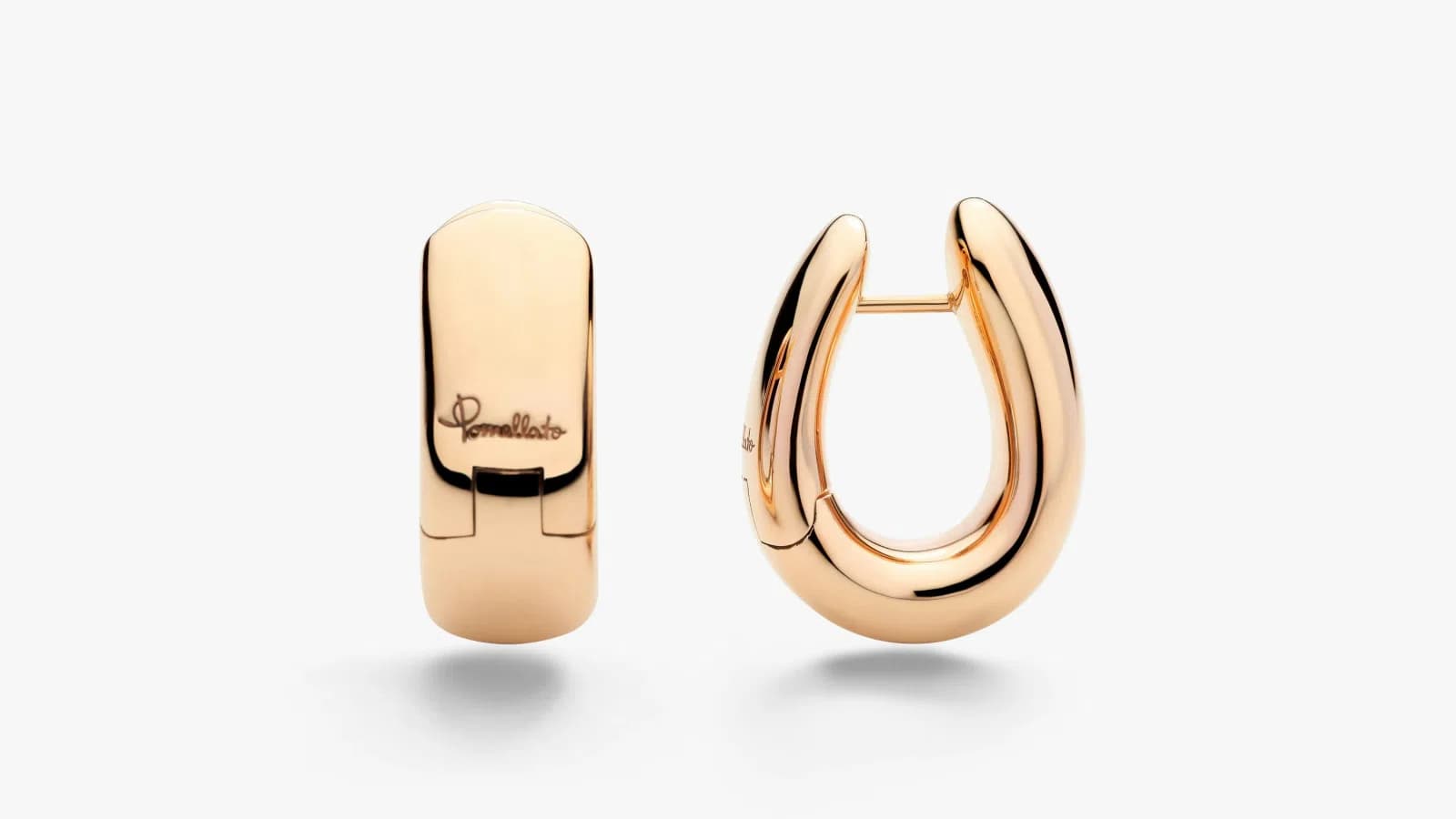
塑料感金属。这是通用AI工具评论中最常见的投诉。AI去除了使金属看起来像金属的合理反射和纹理变化,用光滑的渐变替代它们。结果是金子看起来像喷漆的塑料。一位专业修图师将其描述为“昂贵的铑金和黄金看起来像融化的塑料”。这种情况发生是因为通用AI模型将反射视为需要去除的噪声,而不是需要保留的基本特征。
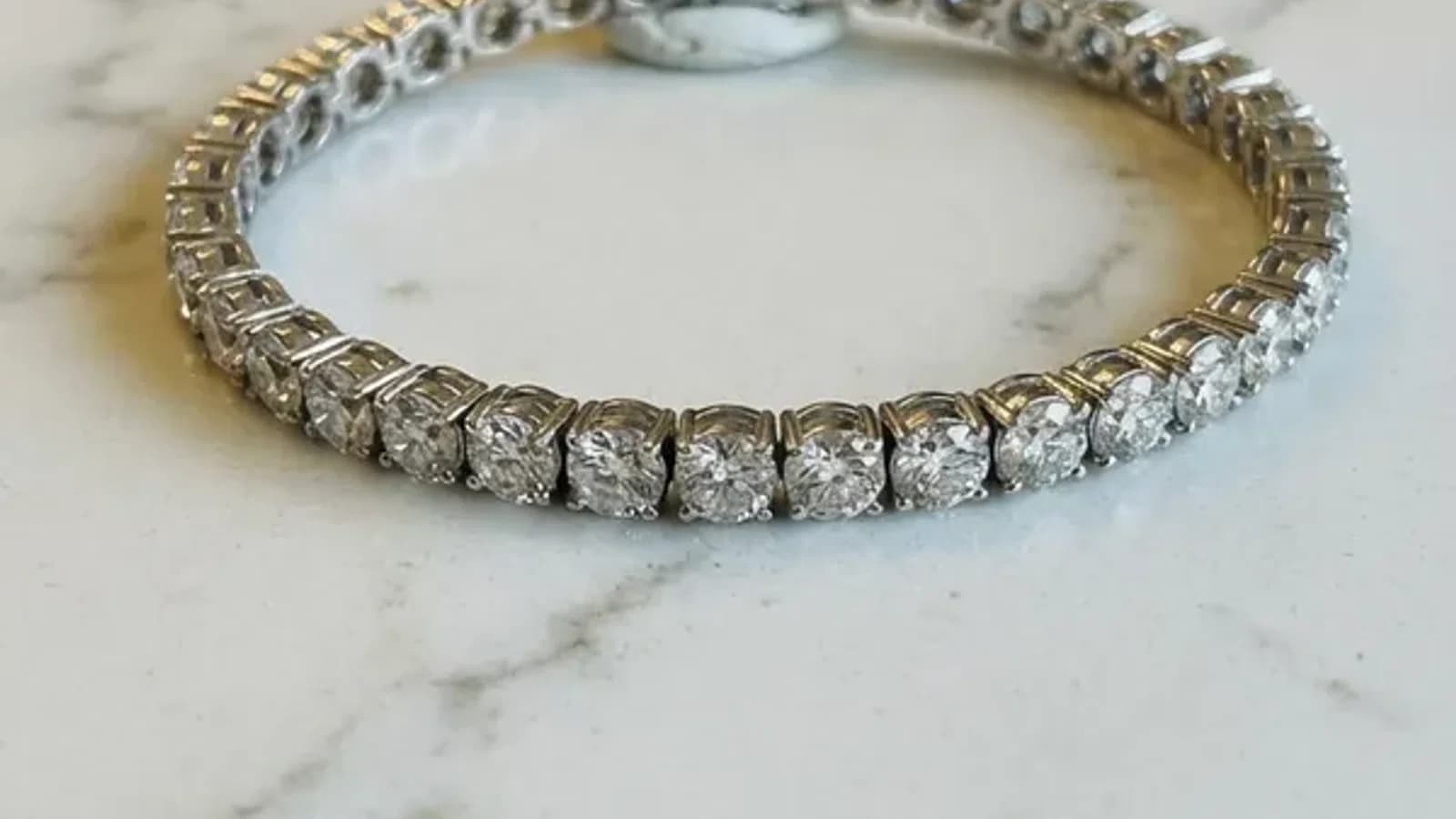
死气沉沉的宝石。钻石和彩色宝石应该呈现内部火彩(彩虹光色散)、亮度(白光返回)和闪烁(随观察角度变化而闪烁)。通用AI要么将这些光学效果压平--使钻石看起来像一块白色玻璃--要么幻觉出不符合光线在刻面晶体中实际表现的假闪烁图案。通用AI工具的用户报告说,AI可能完全摧毁中心钻石,留下模糊的一团。
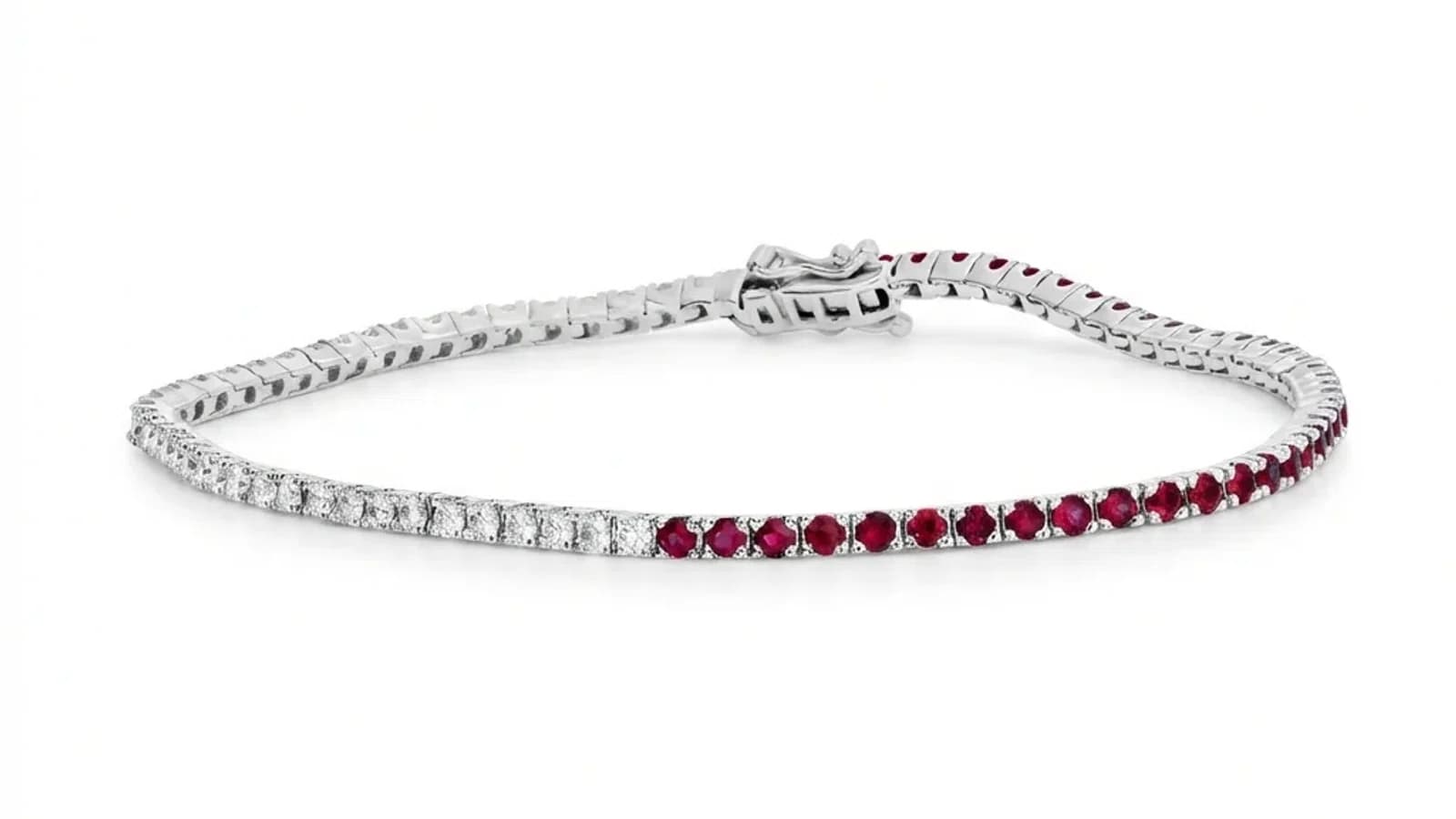
融化的精细细节。链节、爪齿尖端、密镶设置和密钉边缘包含通常只有几个像素宽的微细节。通用AI平滑算法将它们模糊在一起,产生珠宝似乎在融化的效果。这在网球手链上尤为明显,每颗宝石和爪齿都应该清晰锐利。
不一致的阴影。AI生成的阴影往往与图像中的明显光源不匹配。你可能看到高光暗示光线来自左上方,但阴影却直接落在下方。专业目录摄影需要精确的阴影系统--通常是带有微妙反射的接触阴影--通用AI无法一致地复制这一点。
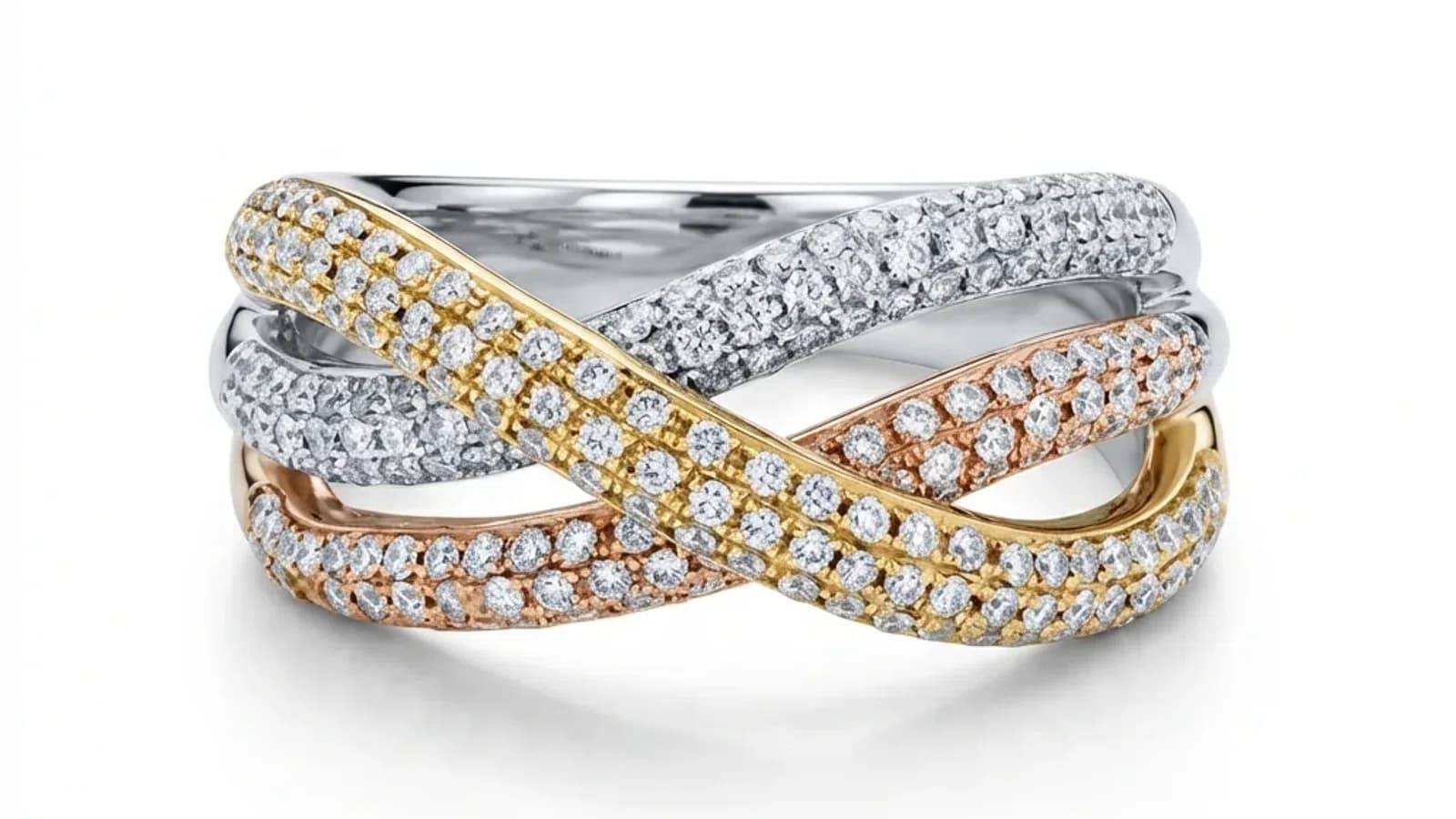
色彩偏移。金子应该看起来像金子--不是黄色,不是橙金色,不是棕色。通用AI经常偏移金属色调,因为它没有被训练来区分14K黄金、18K黄金、玫瑰金、白金和镀铑银。每种都有特定的颜色特征,而通用AI对它们一视同仁。
№ 03
为什么通用AI工具无法解决这个问题
一些卖家会通过调整设置、尝试不同的 AI 工具,或手动后期处理 AI 输出,来弥补 AI 生成瑕疵。但这些方法都无法解决根本问题。调整设置没有用,因为 AI 模型本身并不理解珠宝材质。提高锐度只会让塑料感金属看起来像更锋利的塑料。调整色温改变的只是金色错误的色调。这些都只是对根本错误渲染进行的表面调整。尝试不同的通用工具,只会得到同一问题的不同表现。通用产品摄影平台使用通用 AI 模型。它们的结果略有不同,但都受到同一个根本限制的影响:没有任何一个模型经过专门训练,能够理解珠宝在光线下的外观和表现。手动后期处理也违背了使用 AI 的目的。如果您要花 15 到 20 分钟手动修复每个 AI 输出,恢复金属反射、重新锐化宝石切面、校正阴影角度,那么与一开始就手动修图相比,您并没有节省时间。专业手动修图每张图片收费 $25 到 $50,却能产生正确的结果。修复糟糕的 AI 输出,所需人工时间的成本几乎一样。唯一真正的解决方案,是使用专为珠宝打造的 AI。这不是理论上的区别。一个从端到端围绕珠宝设计的系统,能够处理各种金属和宝石材质的戒指、项链、耳环与手镯,并遵循这些材料真实的光学表现:黄金会反射,钻石会折射,链节是独立元素,而不是平滑曲线。
№ 04
专业珠宝AI如何解决这个问题
Jewels Retouch 专为珠宝目录修饰打造。它针对珠宝图片进行设计,不是鞋类、电子产品或服装。系统深入专注于珠宝材质真实的外观和表现。金属保留方面,它不会把黄金抹平成单一渐变,而是保留使金属呈现金属质感的自然反射纹理。它会去除不需要的反射,例如摄影设备和影棚墙面,同时保留真实抛光黄金所特有的高光和细微纹理变化,避免看起来像涂漆塑料。系统能正确区分黄K金、玫瑰金、白K金和镀铑银等不同材质及其不同的色彩特征。宝石准确度方面,AI 会保留切割宝石内部的光学表现,包括火彩、亮度和闪烁,并忠实呈现光线在晶体内部的变化。它无需伪造闪光图案,也不会把钻石压成白色圆形。精细细节方面,链节仍保持独立,镶爪尖端保持清晰,铺镶设置保留逐颗宝石的辨识度,米珠边缘保留原有纹理。系统经过设计,能够识别并保留这些微结构,而不是将其抹平。目录一致性方面,Jewels Retouch 通过风格参考系统,让每张图片都朝参考图进行处理,使整个目录的背景、阴影方向、反射表现和色温保持协调。通用工具很少能处理好这一点,因为它需要理解不同珠宝在标准化光线下的表现方式。费用采用一次性输出额度包,并包含首次免费预览,无需订阅。输出额度永不过期。新账户可获得 3 次免费预览和 1 次 HD 下载,无需银行卡即可试用。
№ 05
如何测试AI工具是否在你的珠宝上产生AI垃圾
AI 可以帮助生成更干净、更一致的珠宝照片,但发布前仍需检查每个结果的金属颜色、宝石、边缘和比例。
№ 06
使用产生垃圾的AI工具的真实成本
许多珠宝卖家选择通用 AI 工具,是因为它们看起来更便宜:基础方案每月 $0 到 $10。但真实成本远不止订阅价格。
浪费生成次数。通用 AI 工具的用户常反馈,珠宝图片中只有很少一部分可以直接使用。以 通用 AI 产品照片工具 为例,评论中常提到只有约 5% 的生成图无需大量额外处理就能使用。你要么浪费积分反复生成,要么浪费时间筛选差结果。
修复输出的时间。如果你每张图还要花 10 分钟在 手动编辑 中修补 AI 痕迹、修正像塑料一样的金属、重新锐化模糊宝石、调整错误阴影方向,那么花掉的时间已经超过专门工具一次生成正确结果所需的时间。100 张图的目录就是大约 16 小时手工修补。
流失的转化。珠宝电商里,照片就是产品。买家无法触摸实物,只能根据屏幕上的视觉效果做决定。明显像 AI 生成的图片会让人怀疑产品质量和真实性。行业数据表明,专业级珠宝照片比业余或明显 AI 化的图片可提升 25% 到 40% 的转化率。
更高退货率。当 AI 改变黄金颜色、宝石光彩或细节时,收到的实物就不再匹配列表图片。这会带来退货、负面评价,并损害 Etsy、Amazon 等平台上的卖家评分。
品牌感知。眼光敏锐的珠宝买家,尤其是购买 $500 以上珠宝的人,很快能看出 AI 痕迹。使用明显 AI 处理过的照片,会让品牌看起来像低价饰品卖家,无论真实产品质量如何。
像 Jewels Retouch 这样的专门工具使用一次性积分包并包含首次预览,通常第一次就能产出目录级结果。对于 100 张图片的目录,总成本通常为 $90 到 $199,而不是承担通用 AI 工具带来的时间、浪费积分、损失销售和退货等隐藏成本。
№ 07
底线:让工具匹配材料
AI 可以帮助生成更干净、更一致的珠宝照片,但发布前仍需检查每个结果的金属颜色、宝石、边缘和比例。