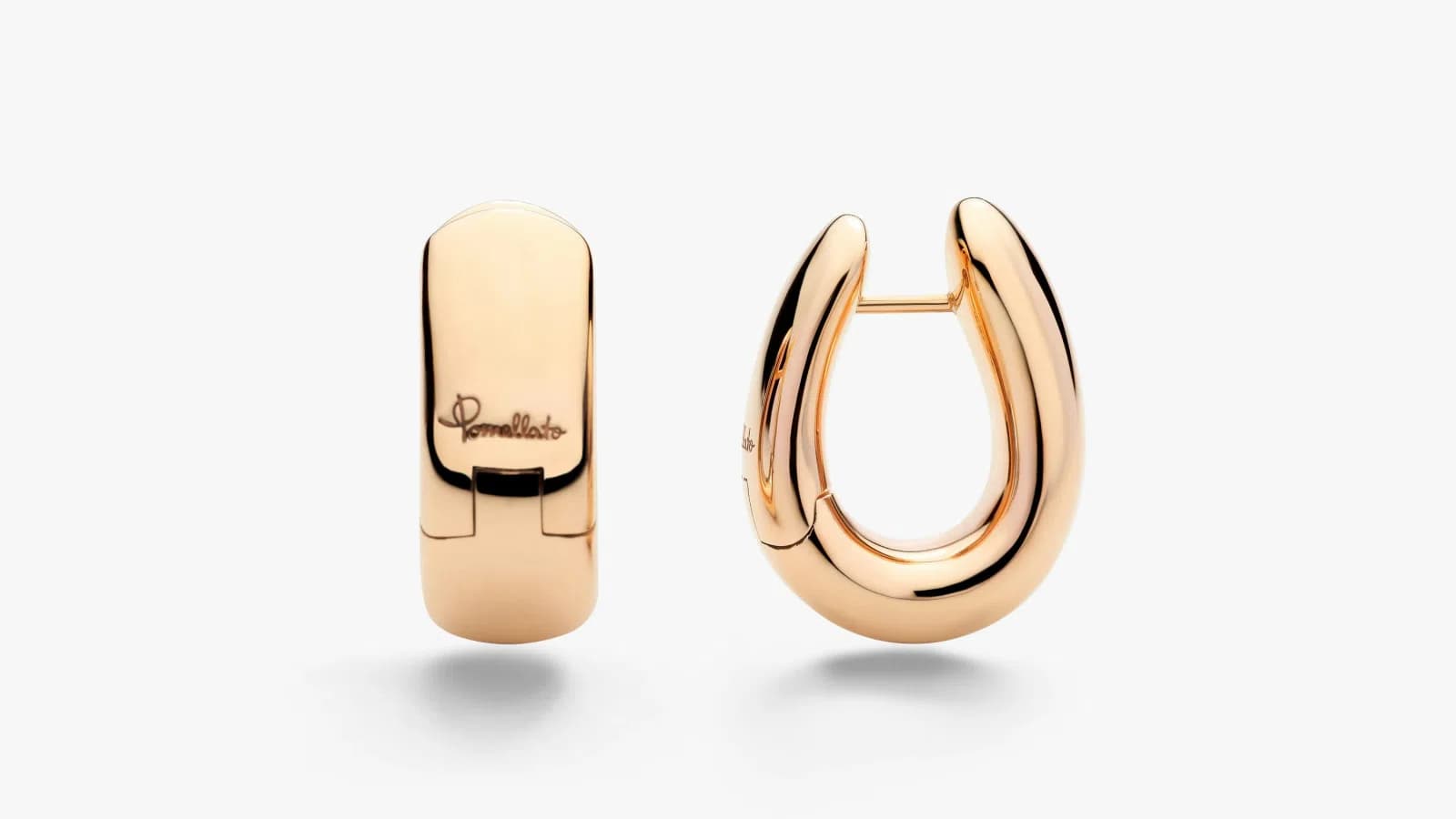
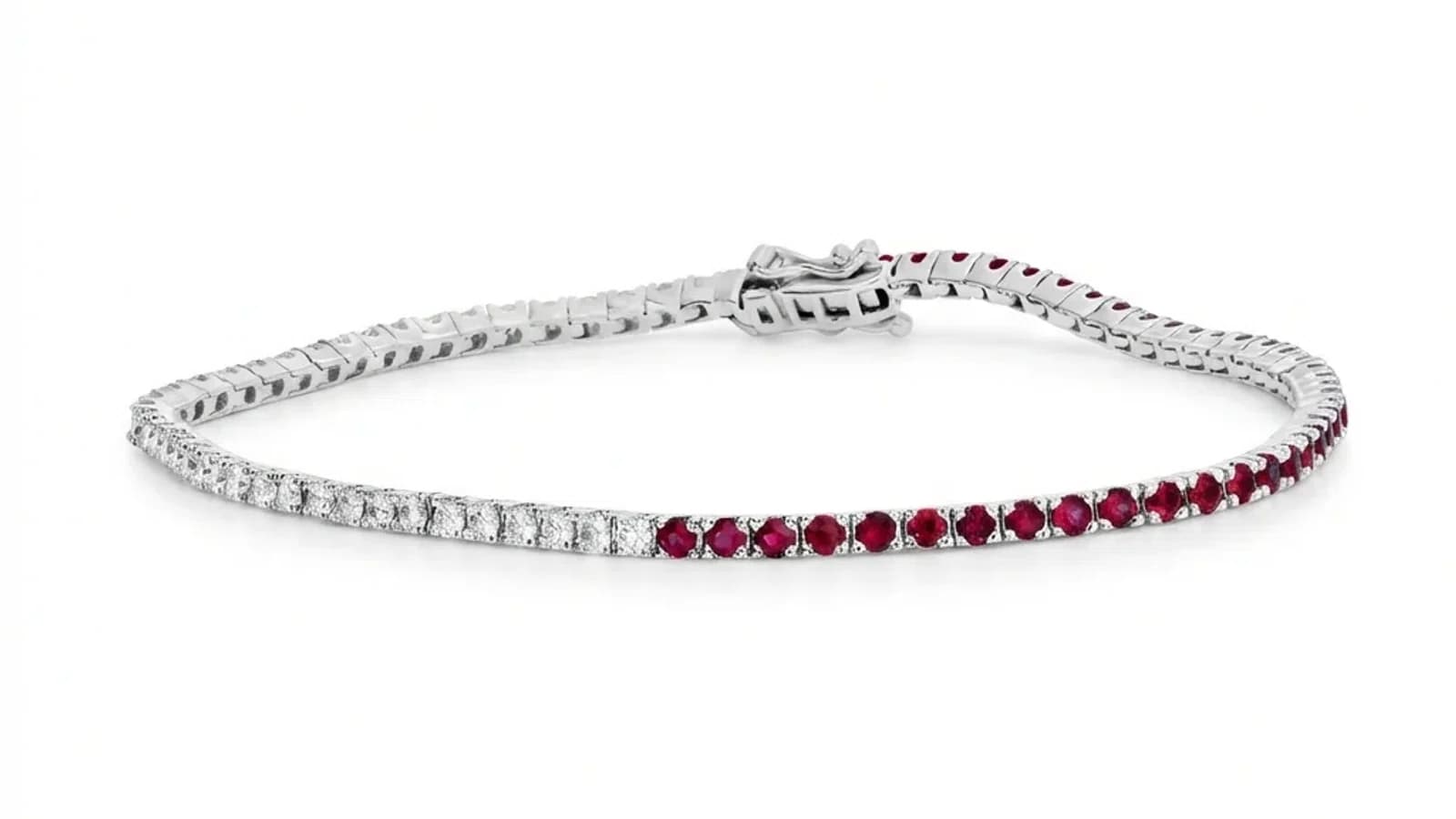
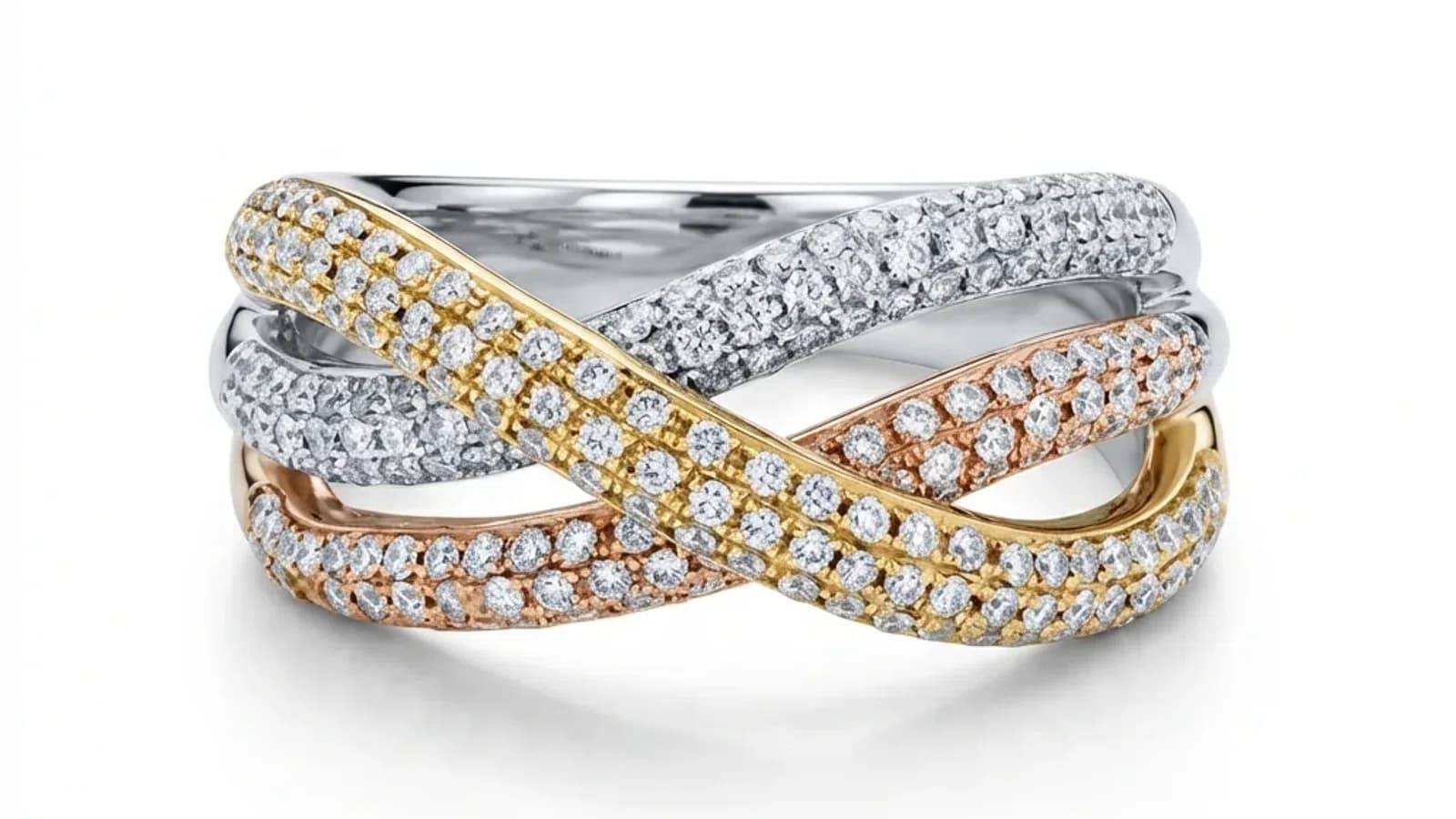
為什麼 AI 編輯的珠寶照片看起來很假 — 「AI 垃圾」問題以及如何修復
大多數 AI 照片工具使珠寶看起來像塑膠,寶石模糊,反射不自然。瞭解珠寶修飾中「AI 垃圾」的原因以及哪些工具實際解決。
閱讀更多
什麼是「AI 垃圾」以及為什麼會發生在珠寶照片上?
AI 可以協助製作更乾淨、更一致的珠寶照片,但發布前仍需檢查每個結果的金屬顏色、寶石、邊緣和比例。
- 01什麼是「AI 垃圾」以及為什麼會發生在珠寶照片上?AI 垃圾是指明顯看起來人工製作的 AI 編輯圖像. 紋理過度光滑、照明不自然、反射不一致的行業術語。它發生在珠寶上是因為通用 AI 模型在數百萬張通用產品照片(鞋子、服裝、電子產品)上進行訓練,從未學習金屬、寶石和精細細節在光線下實際表現如何。
- 02珠寶照片中最常見的五個 AI 偽影珠寶中最容易識別的五個 AI 偽影是:塑膠外觀的金屬(過度平滑的反射)、死氣沉沉的寶石(失去內部火彩和刻面細節)、融化的精細細節(爪、鏈環、米粒紋邊界模糊在一起)、不一致的陰影(陰影與照明方向不匹配)和顏色漂移(黃金轉向黃橙色、銀轉向灰藍色)。
- 03為什麼通用AI工具無法解決這個問題通用AI工具無法解決AI垃圾內容問題,因為這是其訓練數據和架構的根本局限。它們優化的是跨所有產品類別的廣泛適用性,這意味著它們永遠無法培養珠寶修飾所需的金屬光學、寶石折射和珠寶特定細節保留的專業知識。
№ 01
什麼是「AI 垃圾」以及為什麼會發生在珠寶照片上?
如果您曾經通過 AI 編輯工具運行珠寶照片並且黃金看起來像黃色塑膠,您就體驗過 AI 垃圾。該術語在產品攝影師和電商賣家中變得常見,用來描述 AI 輸出在乍看之下看起來精美,但在任何審查下都會分崩離析。
根本原因是訓練數據。通用產品相片編輯器、輕量產品相片應用程式 和 通用 AI 產品相片工具 等通用 AI 照片編輯器在包含每個類別數百萬張產品圖像的大型數據集上進行訓練. 鞋子、電子產品、服裝、化妝品、食品、家具。珠寶只代表該訓練數據的很小一部分。AI 學會了以通用方式使產品看起來乾淨專業,但它從未培養出對特定材料在光線下的表現方式的深刻理解。
拋光黃金不只是一個黃色表面。它是一面反射整個環境的鏡子。鑽石不是一個白點. 它在內部折射光線,產生火彩、亮度和閃爍。精細鏈不是光滑曲線. 它是數百個在不同角度捕捉光線的單個鏈環。通用 AI 對所有這些都不理解。它應用與用於一雙運動鞋或咖啡杯相同的平滑、增強和背景處理。
結果:珠寶看起來像來自免費軟體工具的 3D 渲染,而不是真實、有價值的珠寶的照片。
№ 02
珠寶照片中最常見的五個 AI 偽影
專業修飾師和經驗豐富的買家可以立即發現 AI 處理的珠寶照片。以下是五個明顯的跡象:
塑膠金屬。這是通用 AI 工具評測中最常見的投訴。AI 移除使金屬看起來像金屬的合法反射和紋理變化,將其替換為光滑漸變。結果是看起來像塗漆塑膠的黃金。一位專業修飾師將其描述為「昂貴的銠和黃金看起來像融化的塑膠」。發生這種情況是因為通用 AI 模型將反射視為需要移除的噪聲,而不是需要保留的基本特徵。
死氣沉沉的寶石。鑽石和彩色寶石應該顯示內部火彩(彩虹光色散)、亮度(白光回報)和閃爍(隨著觀看角度變化而閃爍)。通用 AI 要麼平坦化這些光學效果. 使鑽石看起來像一塊白色玻璃. 要麼產生幻覺虛假閃爍圖案,不符合光線在刻面晶體中的實際表現。通用 AI 工具的使用者報告該 AI 可以完全破壞中心鑽石,留下模糊混亂。
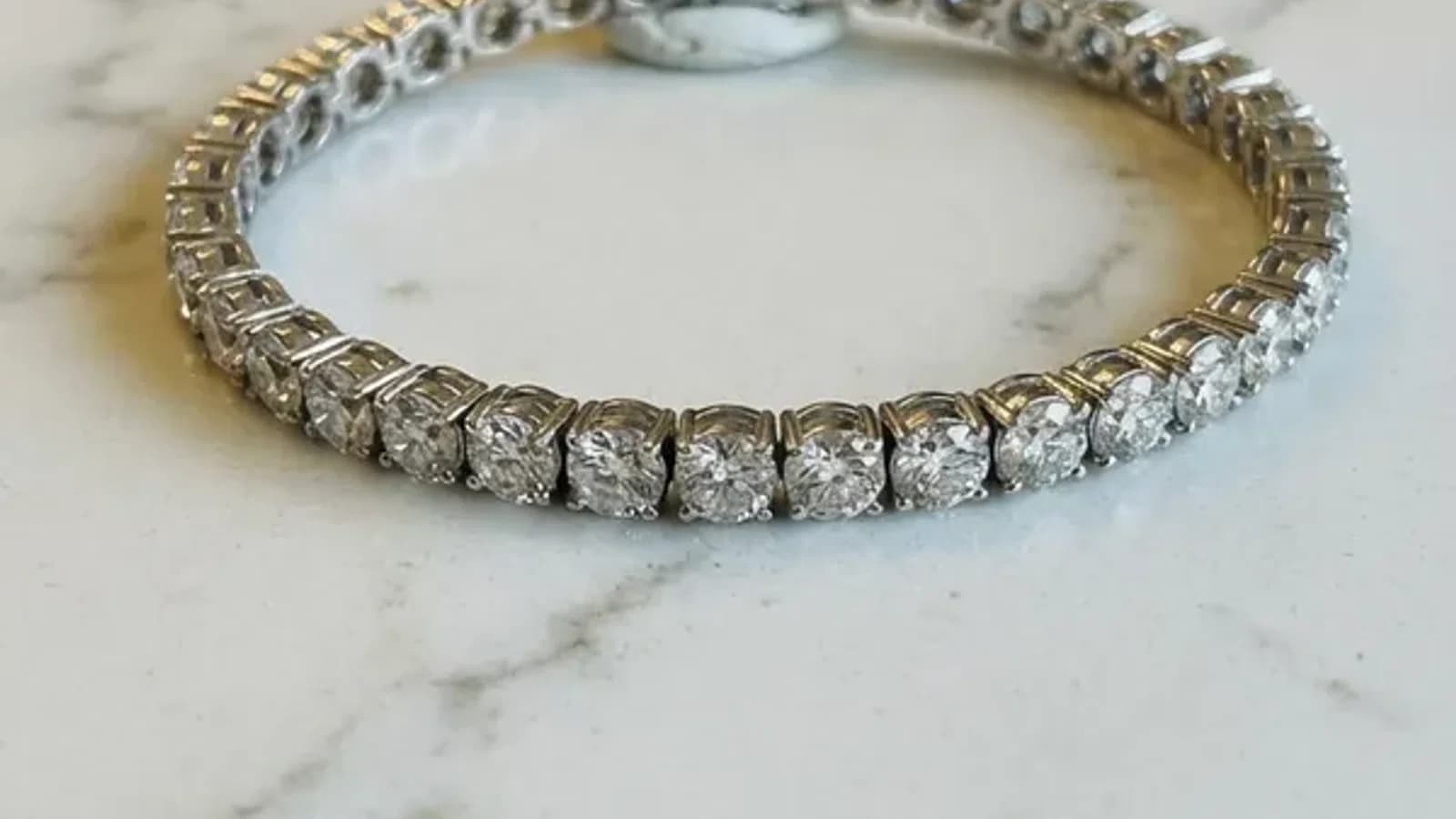
融化的精細細節。鏈環、爪尖、密砌設置和米粒紋邊界包含通常寬度只有幾像素的微細細節。通用 AI 平滑演算法將這些模糊在一起,產生珠寶看起來正在融化的效果。這在網球手鐲上特別明顯,其中各個寶石和爪應該清晰定義。
不一致的陰影。AI 生成的陰影通常與圖像中明顯的光源不匹配。您可能會看到暗示來自左上方的光線的高光,但陰影直接落在下方。專業目錄攝影需要精確的陰影系統. 通常是接觸陰影,帶有微妙的反射. 通用 AI 無法複製這種一致性。
顏色漂移。黃金應該看起來像黃金. 不是黃色、不是橙金色、不是棕色。通用 AI 經常轉移金屬色調,因為它沒有經過訓練以區分 14K 黃金、18K 黃金、玫瑰金、白金和銠電鍍銀。每個都有特定的色彩簽名,通用 AI 對待它們都一樣。
№ 03
為什麼通用AI工具無法解決這個問題
有些賣家會調整設定、嘗試不同 AI 工具,或手動後製 AI 輸出,試圖改善 AI 產生的不自然結果。但這些方法都無法解決根本問題。調整設定沒有幫助,因為 AI 模型本身不理解珠寶材質。提高銳利度只會讓塑膠感金屬看起來像更銳利的塑膠。調整色溫只會改變金色偏錯的色調。這些都只是套用在根本錯誤渲染上的表面調整。嘗試不同通用工具,只會得到同一問題的不同版本。廣泛的商品攝影平台使用通用 AI 模型,結果或許略有不同,但都有相同的根本限制:它們都沒有專門訓練來理解珠寶在光線下的外觀與表現。手動後製也會抵銷使用 AI 的目的。如果每個 AI 輸出都要花 15 至 20 分鐘手動修正,恢復金屬反射、重新銳化寶石刻面、校正陰影角度,那麼與一開始就手動修圖相比,您並沒有節省時間。專業手動修圖每張圖片需 $25 至 $50,但能產生正確結果;修正不良 AI 輸出的人工時間成本也幾乎相同。唯一真正的解決方案,是使用專為珠寶打造的 AI。這不是理論上的差異。從頭到尾圍繞珠寶設計的系統,涵蓋各種金屬與寶石材質的戒指、項鍊、耳環和手鍊,會依循這些材質實際的光學特性:黃金會反射,鑽石會折射,鏈節是獨立元素,而不是平滑曲線。
№ 04
專業珠寶AI如何解決這個問題
Jewels Retouch 專為珠寶目錄修圖打造,處理的是珠寶圖片,不是鞋子、電子產品或服裝。它深入專注於珠寶材質實際的外觀與光線反應。金屬保留方面,Jewels Retouch 不會把黃金抹平成單調漸層,而是保留讓金屬呈現金屬質感的自然反射紋理;同時去除攝影設備、攝影棚牆面等不必要反光,維持真實拋光黃金與塗漆塑膠之間的特徵性高光和細微紋理差異。系統能正確區分黃金、玫瑰金、白金與鍍銠銀等材質及其不同色彩特徵。寶石準確度方面,AI 會保留切面寶石內部的光學表現,包括火彩、明亮度與閃爍感,忠實呈現光線在晶體內的作用,不需要捏造閃光圖案,也不會把鑽石壓成白色圓形。細節保留方面,鏈節維持獨立形體,鑲爪尖端保持銳利,密鑲工藝保留逐顆寶石的清晰度,米粒紋邊緣維持原有紋理。系統能辨識並保留這些微結構,而不是將它們抹平。目錄一致性方面,Jewels Retouch 透過風格參考系統,讓每張圖片朝參考照片處理,使整個目錄的背景、陰影方向、反射表現與色溫保持一致。通用工具很少能妥善處理這一點,因為它需要理解不同珠寶在標準化光線下的互動方式。費用採一次性點數包,並包含首次免費預覽,無需訂閱。點數永不過期。新帳戶可獲 3 次免費預覽加 1 次 HD 下載,無需信用卡即可試用。
№ 05
如何測試AI工具是否在您的珠寶上產生AI垃圾內容
AI 可以協助製作更乾淨、更一致的珠寶照片,但發布前仍需檢查每個結果的金屬顏色、寶石、邊緣和比例。
№ 06
使用產生廢品的AI工具的真實成本
許多珠寶賣家選擇通用 AI 工具,是因為它們看起來更便宜:基礎方案每月 $0 到 $10。但真實成本遠不止訂閱價格。
浪費生成次數。通用 AI 工具的使用者常反映,珠寶圖片中只有很少一部分可以直接使用。以 通用 AI 產品相片工具 為例,評論中常提到只有約 5% 的生成圖無需大量額外處理就能使用。你要麼浪費點數反覆生成,要麼浪費時間篩選差結果。
修復輸出的時間。如果你每張圖還要花 10 分鐘在 手動編輯 中修補 AI 痕跡、修正像塑膠一樣的金屬、重新銳化模糊寶石、調整錯誤陰影方向,那麼花掉的時間已經超過專門工具一次生成正確結果所需的時間。100 張圖的目錄就是大約 16 小時手工修補。
流失的轉換。珠寶電商裡,照片就是產品。買家無法觸摸實物,只能根據螢幕上的視覺效果做決定。明顯像 AI 生成的圖片會令人懷疑產品品質和真實性。產業數據表明,專業級珠寶照片比業餘或明顯 AI 化的圖片可提升 25% 到 40% 的轉換率。
更高退貨率。當 AI 改變黃金顏色、寶石光彩或細節時,收到的實物就不再匹配列表圖片。這會帶來退貨、負面評價,並損害 Etsy、Amazon 等平台上的賣家評分。
品牌感知。眼光敏銳的珠寶買家,尤其是購買 $500 以上珠寶的人,很快能看出 AI 痕跡。使用明顯 AI 處理過的照片,會讓品牌看起來像低價飾品賣家,無論真實產品品質如何。
像 Jewels Retouch 這樣的專門工具使用一次性點數包並包含首次預覽,通常第一次就能產出目錄級結果。對於 100 張圖片的目錄,總成本通常為 $90 到 $199,而不是承擔通用 AI 工具帶來的時間、浪費點數、損失銷售和退貨等隱藏成本。
№ 07
結論:將工具與材料相匹配
AI 可以協助製作更乾淨、更一致的珠寶照片,但發布前仍需檢查每個結果的金屬顏色、寶石、邊緣和比例。